Let more growers get greater benefits
How to Choose the Right Organic Fertilizer for Healthy Plants
- Industry News
- March 11, 2018
- 11:20 am
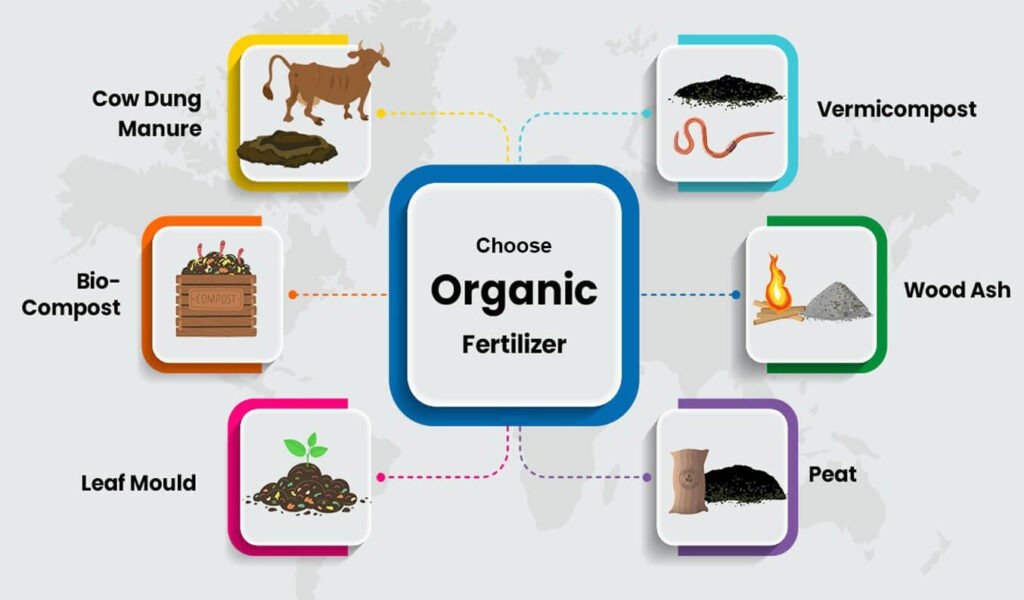
Choosing the right organic fertilizer is essential for ensuring healthy plant growth and improving soil fertility. Unlike synthetic fertilizers, organic fertilizers release nutrients gradually and naturally, improving soil structure, enhancing microbial activity, and providing long-term benefits. With so many options available, selecting the right organic fertilizer can be overwhelming. This guide will help you understand how to choose the best fertilizer for your garden or farm based on your specific needs.
Table of Contents
1. Understand Your Soil Composition
Key Soil Factors to Test:
- pH Level: Plants thrive in different pH conditions. Acidic soils may need lime or dolomite, while alkaline soils may benefit from sulfur.
- Nutrient Levels: A soil test will tell you whether your soil is lacking essential nutrients like nitrogen, phosphorus, or potassium.
- Organic Matter: Organic fertilizers improve soil structure by increasing the organic matter content, which is vital for nutrient retention.
2. Know the Different Types of Organic Fertilizers
Animal-Based Organic Fertilizers:
- Manure: Rich in nitrogen and organic matter, it is ideal for general soil enrichment. Be sure to compost it before application to avoid pathogens.
- Bone Meal: A source of phosphorus and calcium, it is excellent for encouraging strong root systems and promoting flowering.
- Blood Meal: High in nitrogen, this fertilizer promotes lush, green foliage growth, making it suitable for leafy vegetables.
Plant-Based Organic Fertilizers:
- Compost: Made from decomposed organic matter like vegetable scraps, leaves, and grass clippings. It improves soil structure, encourages microbial activity, and adds essential nutrients.
- Seaweed Extract: Rich in potassium and trace elements, seaweed is beneficial for overall plant health and growth. It also helps plants withstand stress.
Mineral-Based Organic Fertilizers:
- Rock Phosphate: High in phosphorus, it promotes healthy root and flower development.
- Greensand: Provides potassium and trace minerals, improves soil structure, and retains moisture.
- Gypsum: Adds calcium and sulfur, improving soil structure and alleviating compacted soil issues.
Bio-Based Organic Fertilizers:
- Bio-Fertilizers: These contain living microorganisms like nitrogen-fixing bacteria and mycorrhizal fungi. They enhance nutrient availability in the soil and promote soil health.
- Vermicompost: Produced by earthworms, it is rich in beneficial microbes and nutrients, improving both plant growth and soil quality.
3. Match Fertilizer to Plant Type
Different plants have varying nutrient requirements. It’s essential to choose an organic fertilizer that meets the specific needs of your crops or garden plants. For example:
- Leafy Greens: Require high nitrogen content for robust leaf growth. Animal-based fertilizers like manure or blood meal work well.
- Fruits and Flowers: Need balanced nutrients, particularly phosphorus and potassium, for strong roots, flowers, and fruits. Bone meal and fish meal are ideal choices.
- Root Vegetables: Need a steady supply of phosphorus for strong root development, so bone meal or rock phosphate is highly beneficial.
4. Choose the Right Form of Fertilizer
Organic fertilizers come in several forms, including liquid, granular, and powder. Each form has its advantages and application methods:
- Liquid Fertilizers: These provide quick nutrient uptake by plants, ideal for fast-growing plants or for use during the growing season.
- Granular Fertilizers: Slow-release fertilizers that gradually break down over time, providing nutrients over several weeks or months. These are perfect for foundational soil improvement and long-term plant health.
- Powdered Fertilizers: Concentrated nutrients in powder form, ideal for easy incorporation into the soil.
5. Timing and Frequency of Application
Organic fertilizers typically release nutrients slower than synthetic options. It’s essential to apply them at the right time to ensure plants get the nutrients they need at key growth stages.
- Pre-Planting: Add compost or manure to improve soil structure and fertility before planting. This gives your plants a nutrient-rich base.
- Growing Season: Apply liquid or granular fertilizers to support ongoing plant growth, especially during key growth periods like flowering and fruiting.
- End of Season: Use slow-release fertilizers like bone meal or rock phosphate to prepare your soil for the next growing season.
6. Consider Sustainable and Local Options
Sustainability is a key factor when selecting organic fertilizers. Opt for products that are locally sourced, as these are less likely to contribute to high carbon footprints due to transportation. Also, consider using fertilizers that improve long-term soil health, such as compost and bio-fertilizers, which support sustainability in farming.
7. Use a Balanced Approach
In many cases, a combination of different types of organic fertilizers is the best approach. For instance, you can combine manure for nitrogen with bone meal for phosphorus and compost for overall soil health. This ensures that your plants receive a balanced nutrient mix, and your soil benefits from a variety of organic inputs.
Conclusion
Choosing the right organic fertilizer is crucial for improving soil fertility, promoting healthy plant growth, and ensuring long-term sustainability in gardening and farming. By understanding your soil needs, matching fertilizers to plant types, and using them correctly, you can significantly improve your plant’s health while contributing to environmental conservation.
Whether you’re growing vegetables, flowers, or fruit trees, selecting the best organic fertilizer tailored to your specific needs will lead to better, more sustainable results. Start with soil testing, choose the right fertilizer based on plant type and timing, and combine products for optimal growth and health.
For premium organic fertilizers and expert advice, visit RissoChemical website and start your journey toward a healthier garden today!
Organic Fertilizers Related Products
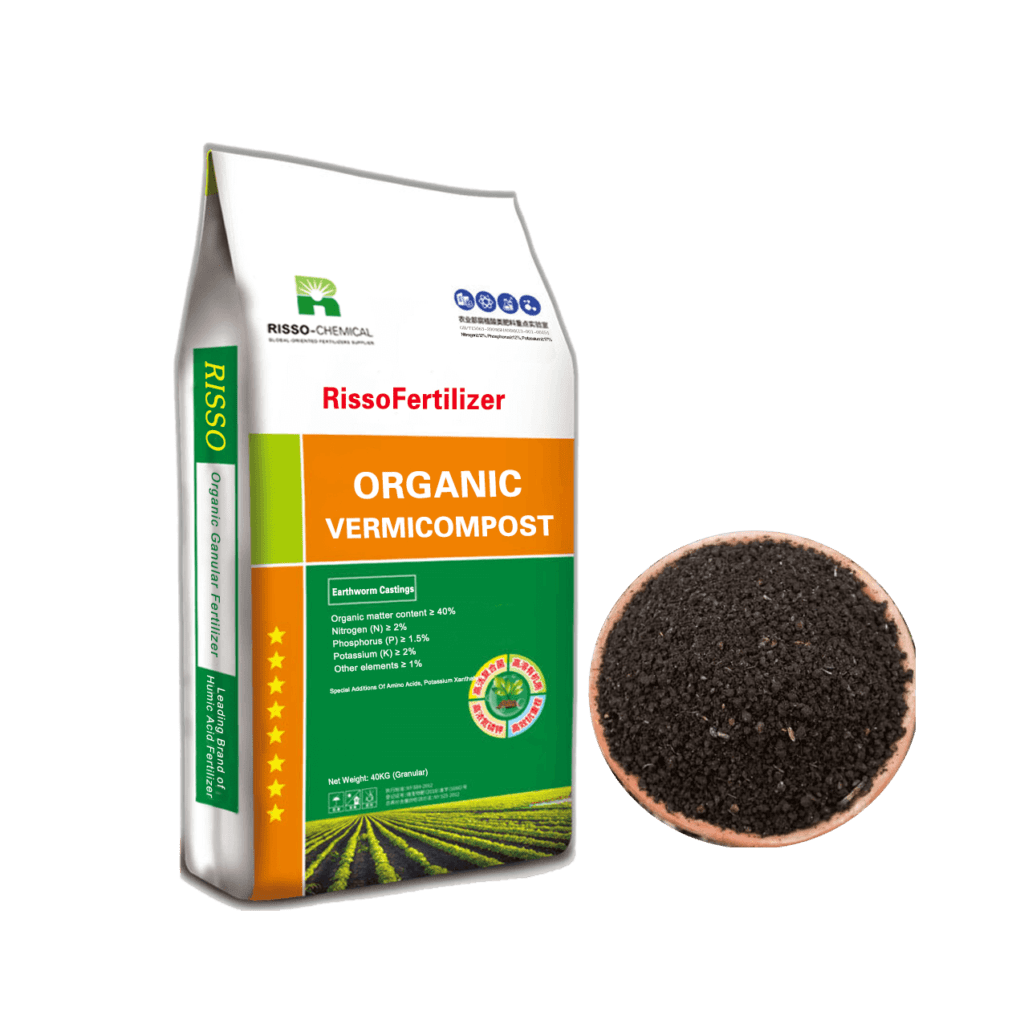
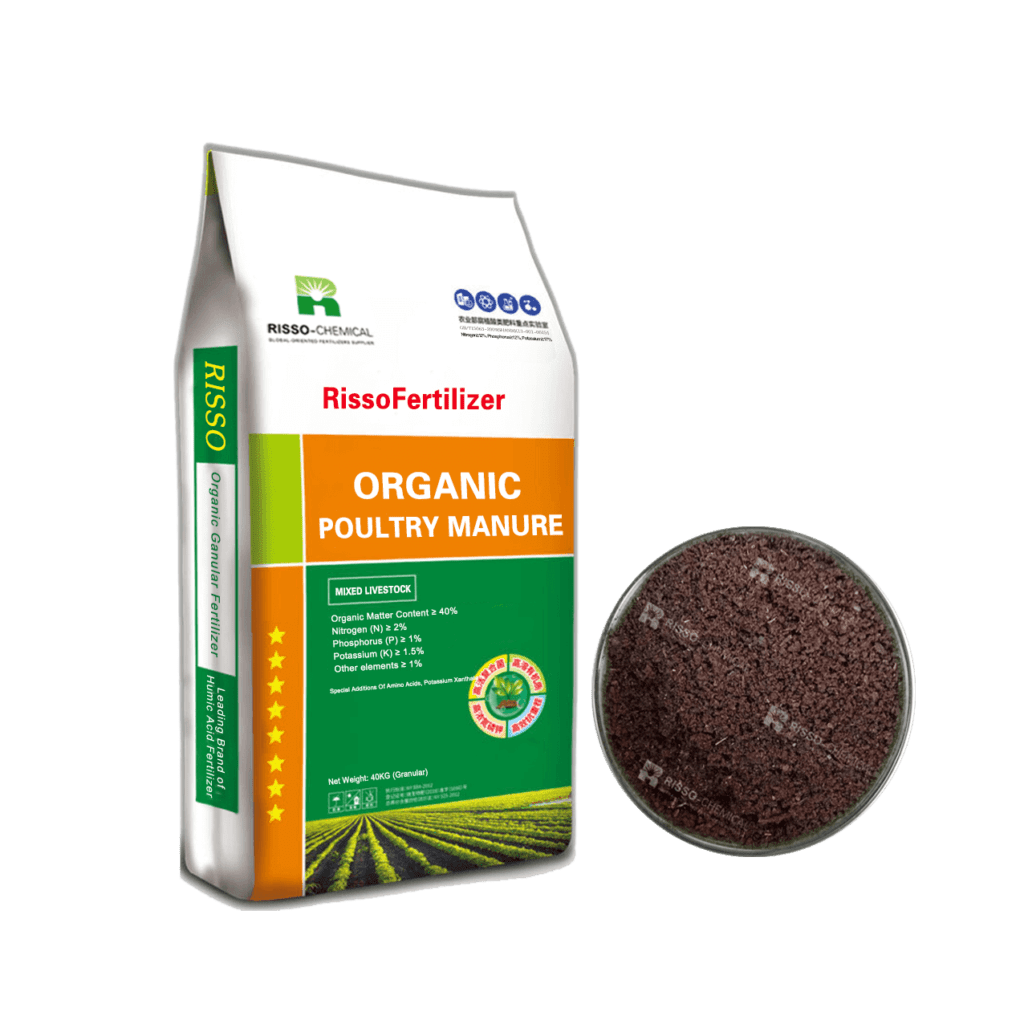
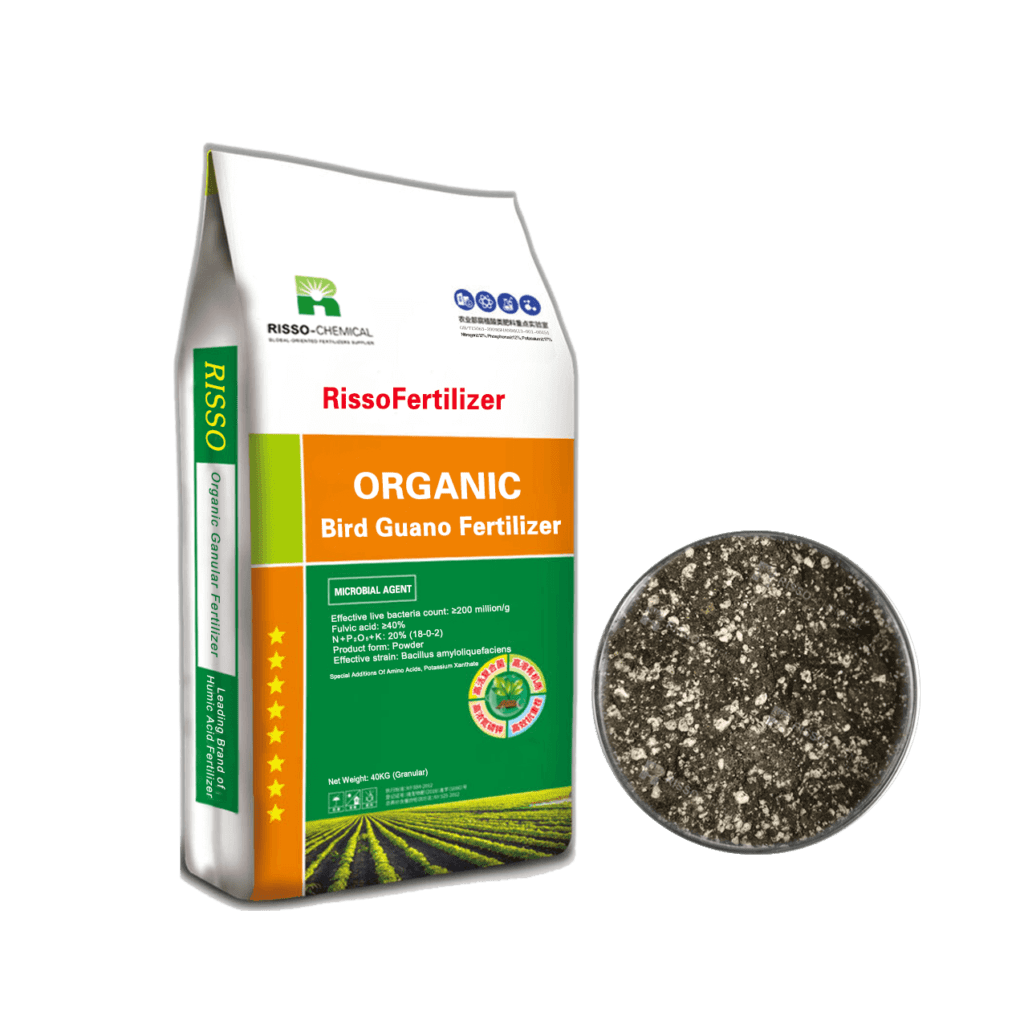
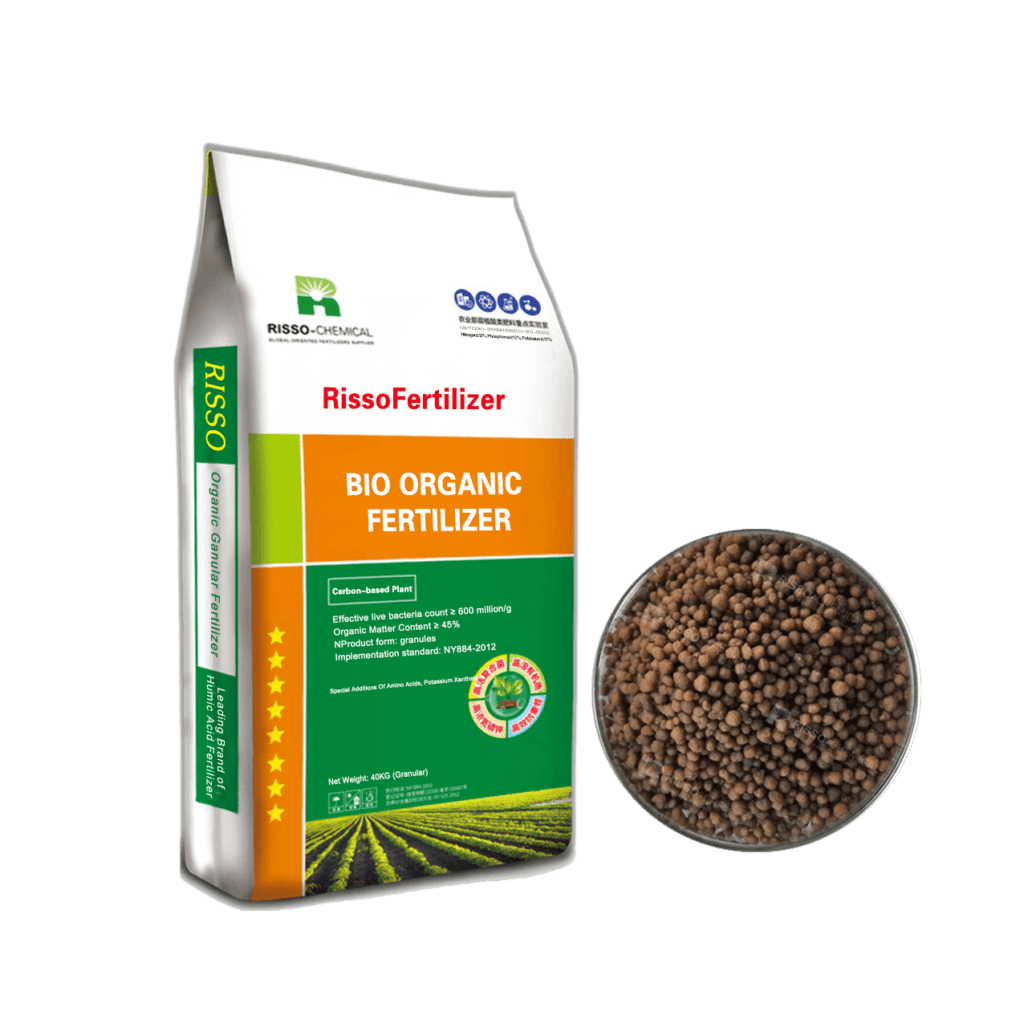
If you want to know other questions about Organic fertilizers please contact us and we will provide professional answers.
- Article
What will you get when touch?
✔ Quick & helpful reply within 6 hours.
✔ Tailored solutions for your project.
✔ One-stop product, tech, market