2026-03-03
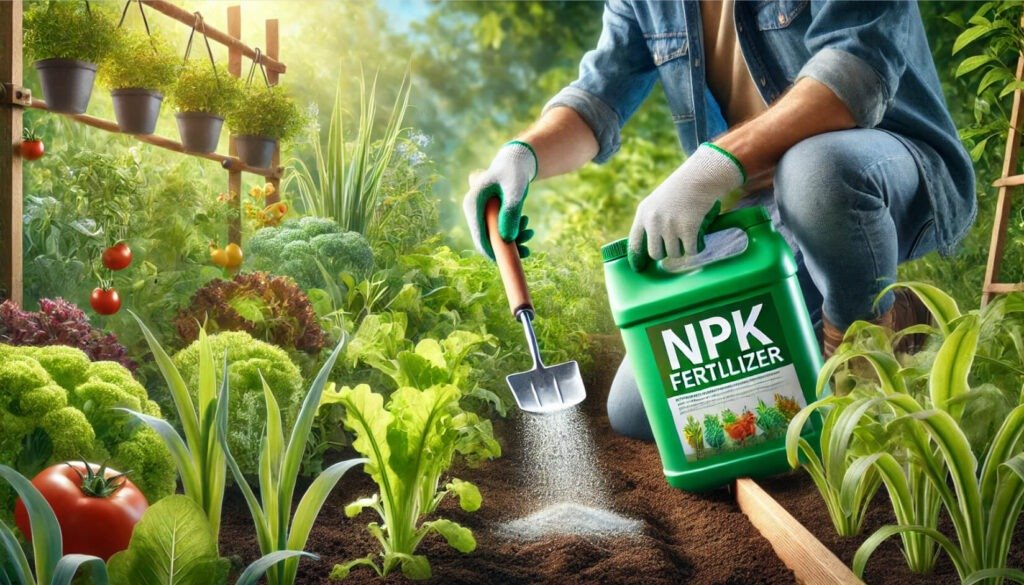
If you’re a gardener, you’ve likely encountered plants that thrive effortlessly and others that struggle with yellowing leaves or stunted growth. The secret to healthy, vibrant plants often lies in selecting the right NPK fertilizer. But how do you determine which NPK ratio is best for your garden? This guide will help you understand the role of nitrogen (N), phosphorus (P), and potassium (K) in plant health and growth.
NPK fertilizers are essential plant nutrients formulated with three primary elements:
Nitrogen (N): Supports leafy growth and deep green color.
Phosphorus (P): Encourages strong roots and enhances flower and fruit production.
Potassium (K): Helps plants regulate water and resist diseases.
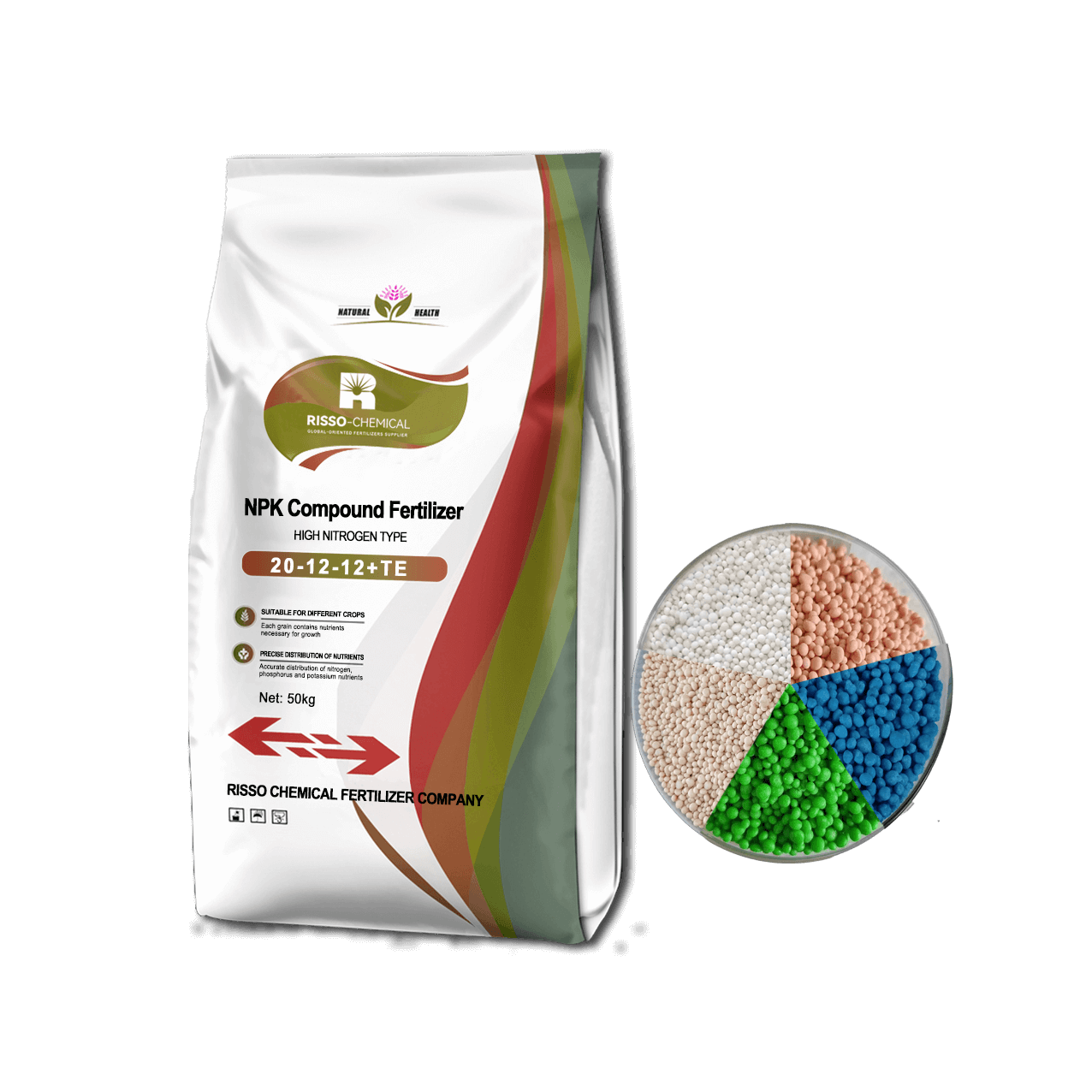
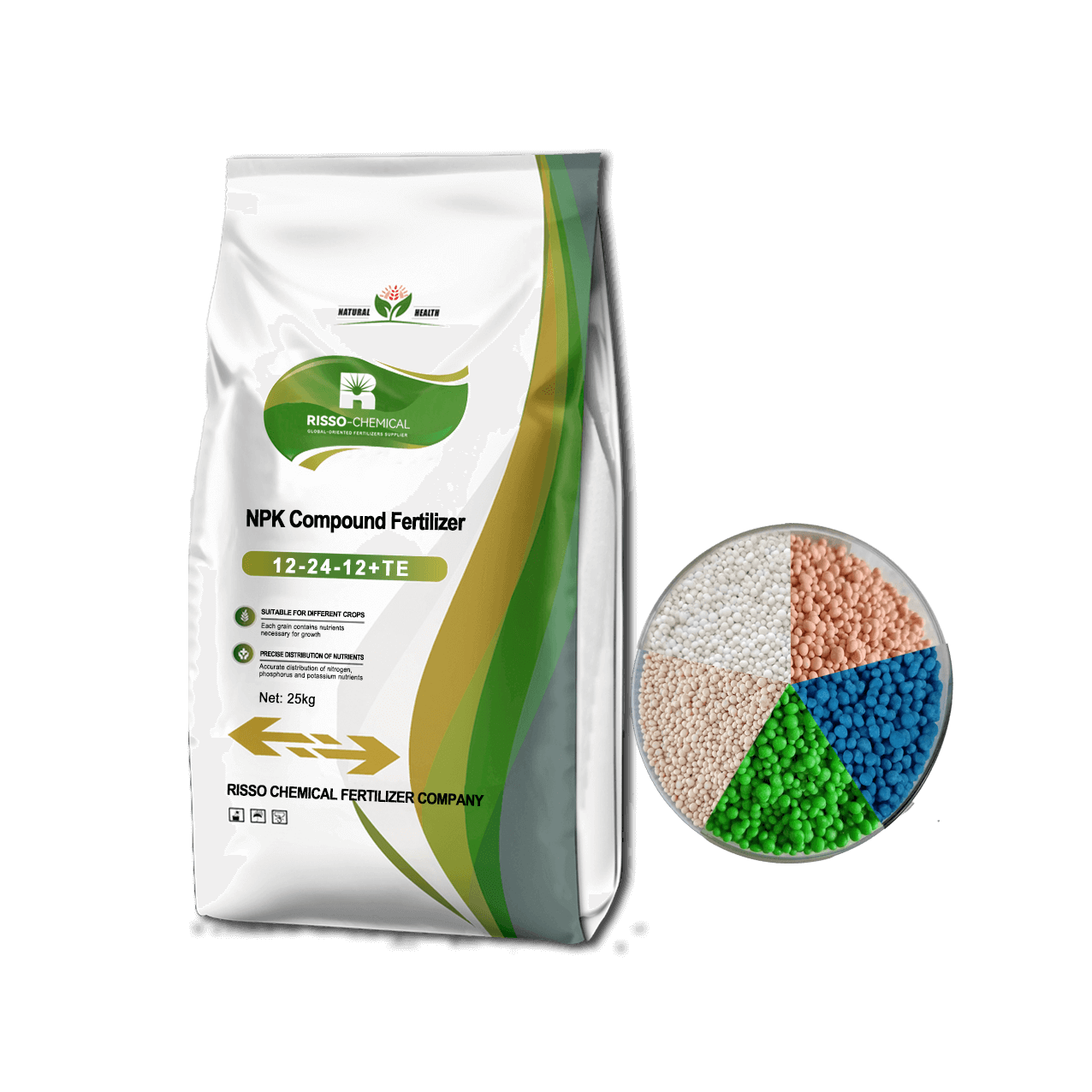
The numbers on fertilizer packaging, such as 14-14-14 or 10-20-30, represent the percentage of each nutrient by weight. Choosing the correct NPK fertilizer ratio depends on your soil’s needs and your plants’ growth stages.
Before applying NPK fertilizers, it’s best to conduct a soil test to determine nutrient deficiencies. Home testing kits provide a general analysis, while professional labs like A & L Labs offer more detailed results. Knowing your soil’s nutrient levels allows you to tailor your fertilizer application for optimal plant health.
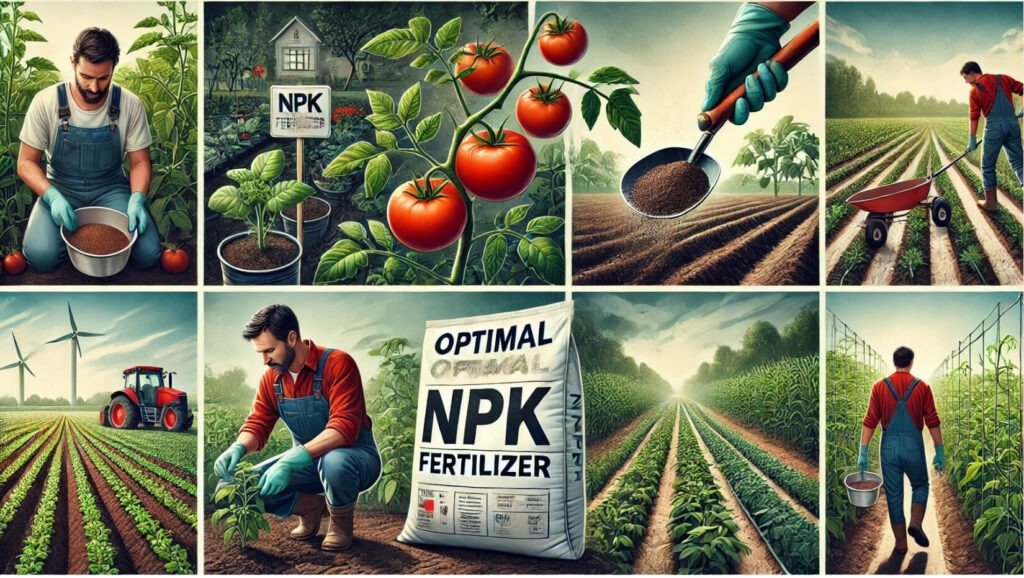
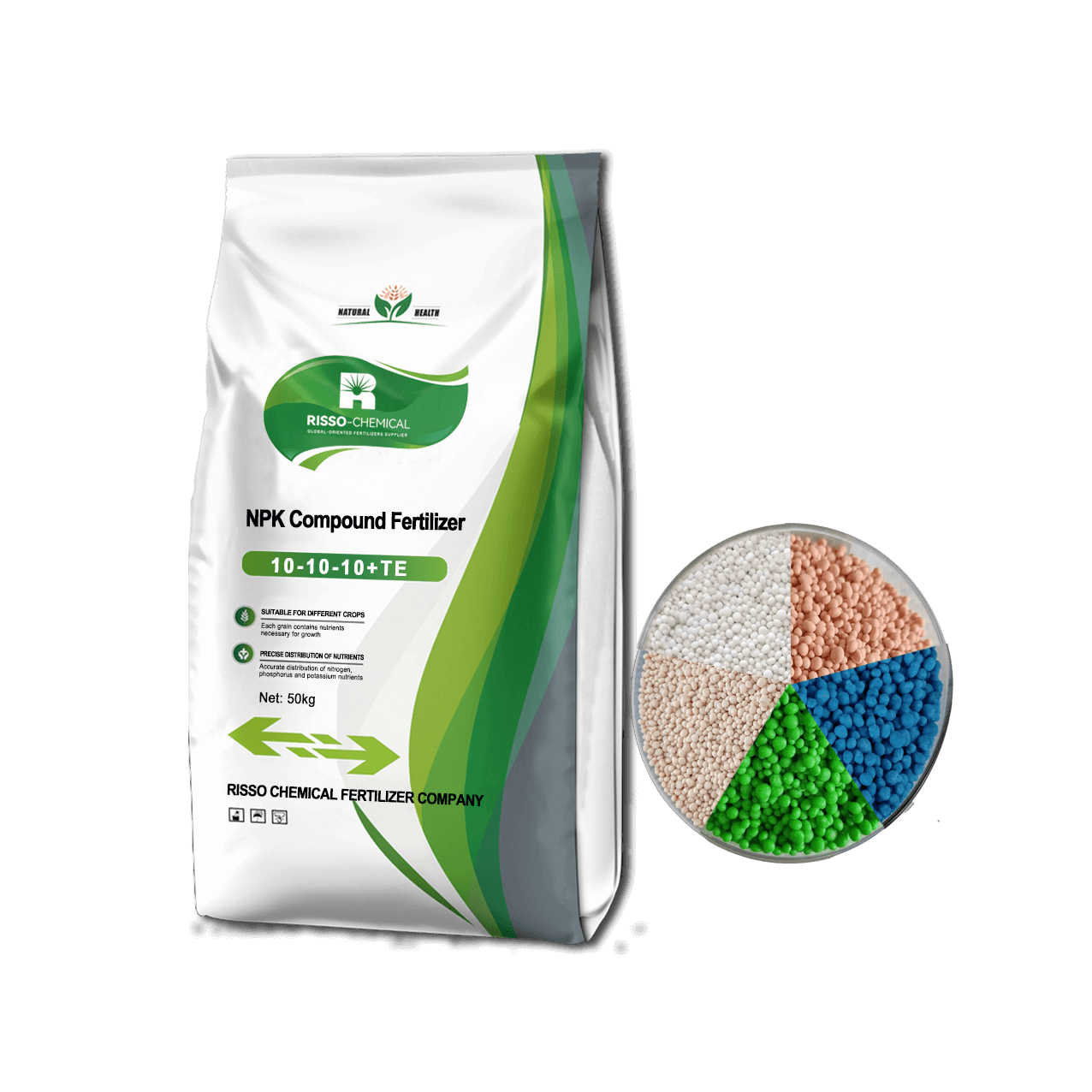
For general garden maintenance, a balanced fertilizer like 10-10-10 or 15-15-15 provides equal amounts of nitrogen, phosphorus, and potassium, supporting overall plant health.
Before planting, use a high-phosphorus fertilizer like 12-24-12 to encourage strong root systems and ensure healthy establishment.
Young plants require ample nitrogen to develop lush foliage. A nitrogen-rich fertilizer such as 20-5-5 promotes rapid vegetative growth.
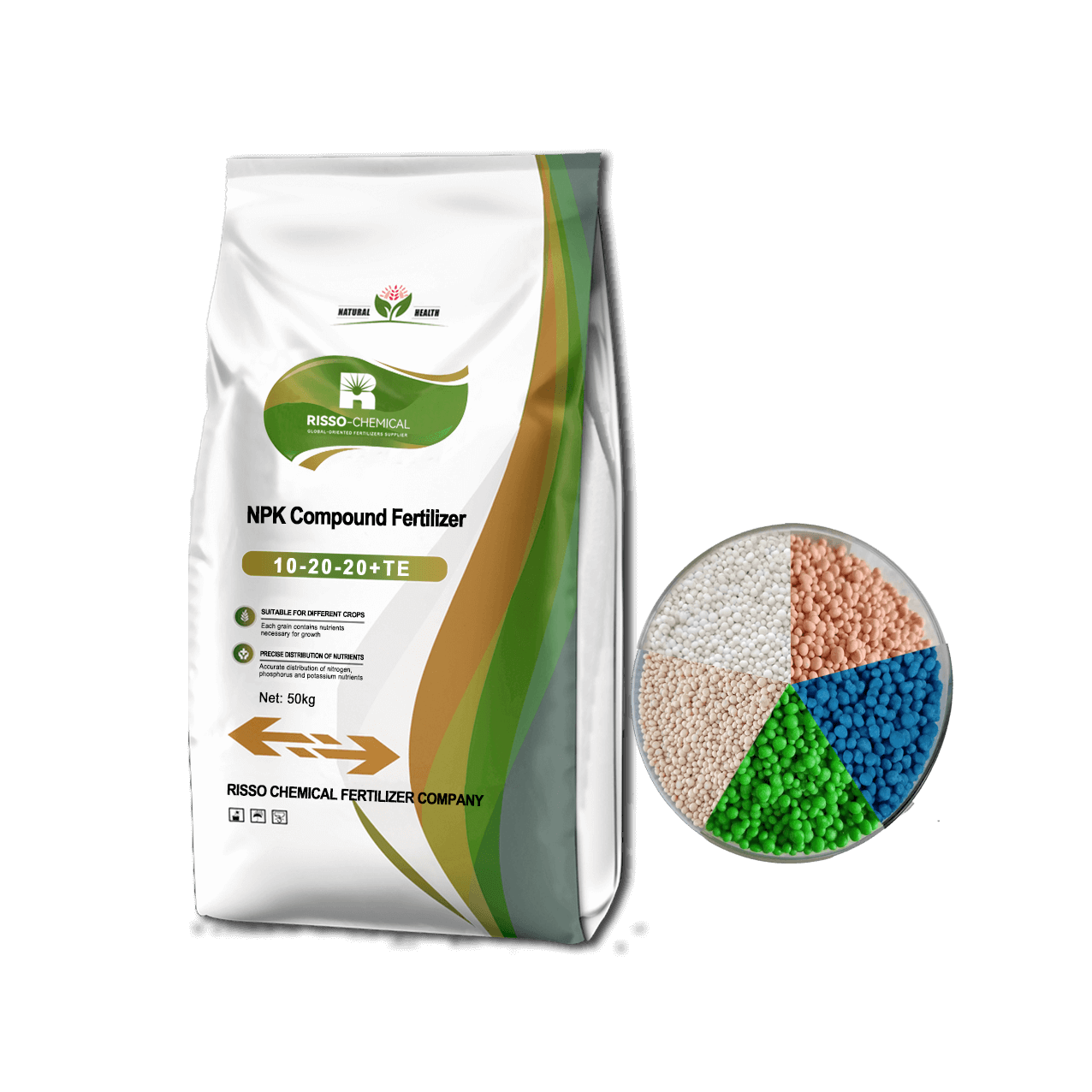
When it’s time for flowering and fruiting, revert to a high-phosphorus and potassium fertilizer, like 10-20-20, to stimulate bloom formation and fruit quality.
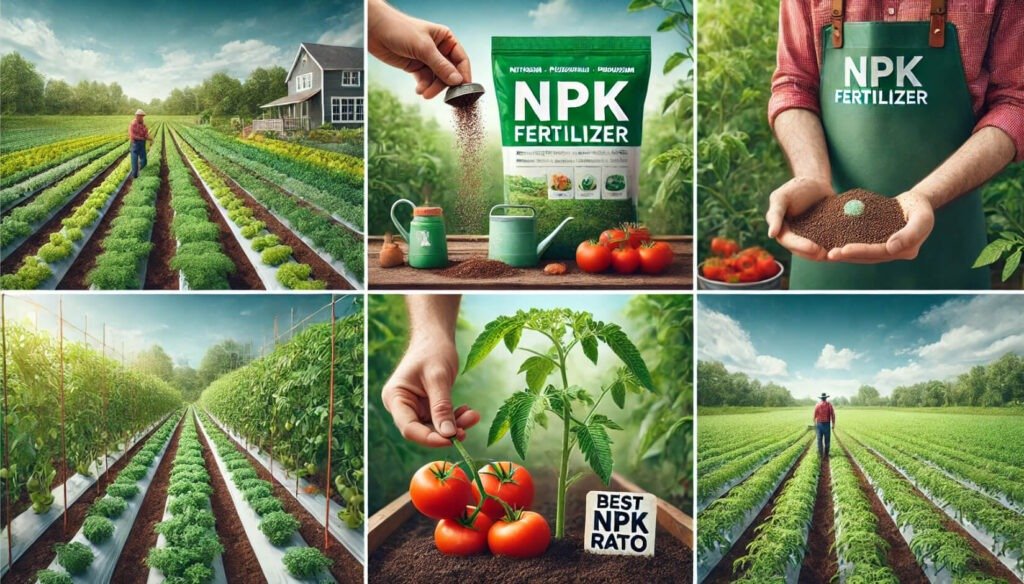
Beyond NPK, calcium and magnesium play vital roles in plant health:
Calcium: Strengthens plant structure and improves nutrient absorption.
Magnesium: Aids in enzyme activation and sugar production.
Gardeners can choose between organic and synthetic NPK fertilizers:
Organic Fertilizers: Derived from natural sources like bone meal, kelp, and compost, they release nutrients slowly and improve soil health.
Synthetic Fertilizers: Offer fast-acting nutrients but may contribute to soil depletion over time.
Understanding NPK fertilizers and their ideal ratios can make a significant difference in your gardening success. Whether you need an all-purpose fertilizer for general maintenance or a specialized blend for specific growth stages, selecting the right NPK ratio ensures your plants thrive. For the best results, always test your soil and adjust your fertilization strategy accordingly.
If you want to know other questions about NPK fertilizers please contact us and we will provide professional answers.
✔ Quick & helpful reply within 6 hours.
✔ Tailored solutions for your project.
✔ One-stop product, tech, market

Want to find a China fertilizer manufacturer?
Risso will be your best choice; send us your request for your fertilizer details requirement
© Copyright 2017 RISSO CHEMICAL. All Rights Reserved.