Let more growers get greater benefits
How to Choose Reliable Wate Soluble Fertilizer Suppliers
- Industry News
- November 10, 2025
- 2:42 pm
Selecting a reliable water-soluble fertilizer supplier is one of the most important decisions for growers, distributors and procurement teams. A qualified supplier ensures product purity, complete solubility, and consistent nutrient delivery—directly affecting crop performance, fertigation system efficiency and margin stability.
In contrast, an unreliable supplier increases the risk of clogged emitters, inconsistent NPK values, customer complaints and costly product returns. For high-purity soluble fertilizers used in drip irrigation and foliar applications, supplier quality determines both field performance and operational reliability.
Leading fertilizer manufacturers like Risso emphasize rigorous quality control systems and traceability to ensure consistently high-quality water soluble fertilizer for customers worldwide.
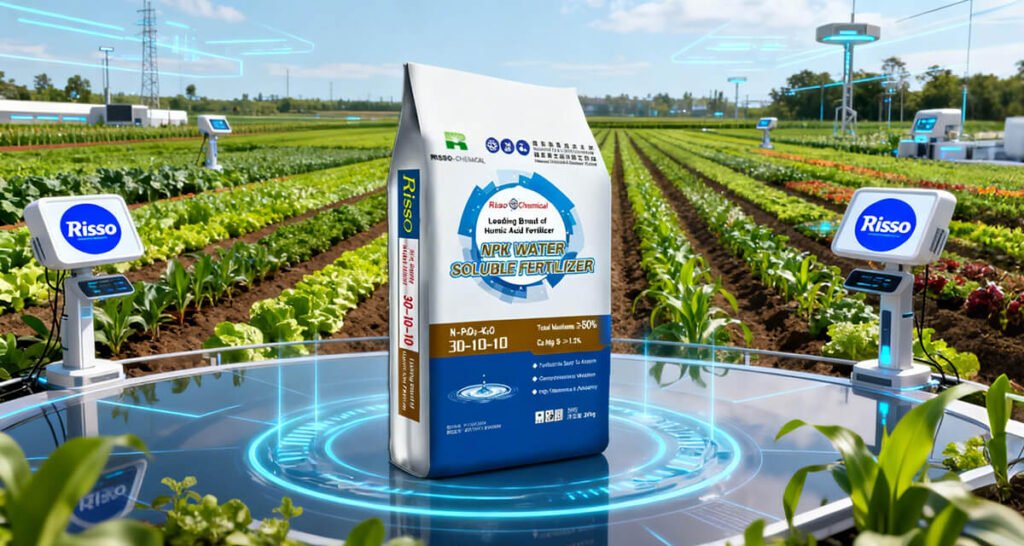
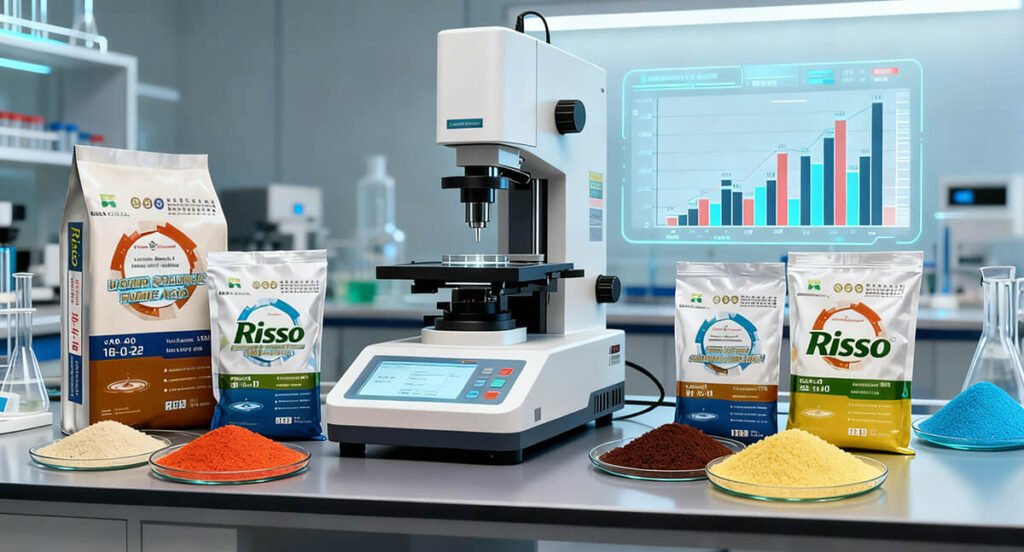
Table of Contents
- 1. Quick Procurement Checklist (One-Page)1. Quick Procurement Checklist (One-Page)
- 2. Step 1 — Define Water-Soluble Fertilizer Specifications2. Step 1 — Define Water-Soluble Fertilizer Specifications
- 3. Step 2 — Regulatory and Certification Checks3. Step 2 — Regulatory and Certification Checks
- 4. Step 3 — Lab Testing: COA, Independent Verification & Solubility Tests4. Step 3 — Lab Testing: COA, Independent Verification & Solubility Tests
- 5. Step 4 — Factory Capability, QC Systems and On-Site Controls5. Step 4 — Factory Capability, QC Systems and On-Site Controls
- 6. Step 5 — Commercial & Logistics Terms6. Step 5 — Commercial & Logistics Terms
- 7. Step 6 — Contracts, KPIs and Warranties7. Step 6 — Contracts, KPIs and Warranties
- 8. Sustainability, Traceability and Supplier Transparency8. Sustainability, Traceability and Supplier Transparency
- 9. Red Flags — When to Walk Away9. Red Flags — When to Walk Away
- 10. Supplier Evaluation Scorecard (Template)10. Supplier Evaluation Scorecard (Template)
- 11. Conclusion — Next Steps for Water-Soluble Fertilizer Procurement11. Conclusion — Next Steps for Water-Soluble Fertilizer Procurement
1. Quick Procurement Checklist (One-Page)
- Full written product specification (guaranteed analysis, solubility %, pH, EC, particle size / crystal type).
- COA (batch), MSDS, storage and shelf-life documentation.
- Independent lab testing on request (ICP/metal analysis, NPK assay, solubility testing).
- Certifications (ISO, OMRI/organic, EU FPR/CE where required).
- Factory audit or verified video walkthrough; MOQ and lead time confirmed.
- Packaging, labeling, palletizing requirements; Incoterms and customs documents (invoice, COA, packing list).
- Contract with warranty terms, sampling plan, and procurement KPIs (OTD, complaint rate).

2. Step 1 — Define Water-Soluble Fertilizer Specifications
- Full written water-soluble fertilizer specification (guaranteed analysis, solubility %, pH, EC, particle size/crystal form)
- Batch COA, MSDS, shelf-life and storage instructions
- Independent lab testing (ICP, heavy metals, NPK assay, solubility)
- Certifications (ISO, OMRI/organic, EU FPR/CE)
- Factory audit/video walkthrough; MOQ and lead time confirmed
- Packaging, labeling, palletization; Incoterms, shipping and customs documents
- Contract with warranties, sampling plan, and KPIs (OTD, complaint rate)
3. Step 2 — Regulatory and Certification Checks
- EU markets: The EU Fertilising Products Regulation (2019/1009) defines contaminant limits, labeling rules and CE requirements. Suppliers must provide compliant documentation for EU-bound products.
- Organic markets: Request OMRI/organic certificates if you sell organic formulations.
- Global requirements: ISO 9001 (quality management) and ISO 14001 (environmental management) indicate strong process control and consistent manufacturing practices.
4. Step 3 — Lab Testing: COA, Independent Verification & Solubility Tests
Best practices include:
- Require a COA with lab name, date, batch number and test methodology.
- Request solubility test results (temperature, agitation method, residue measurement).
- Trace-metal analysis via ICP, and nutrient verification via titration or HPLC.
- For new suppliers, always send pre-shipment samples to an independent accredited lab.
5. Step 4 — Factory Capability, QC Systems and On-Site Controls
- Documented SOPs for blending, contamination prevention and batch sequencing.
- Proven production capacity and scalability (monthly tonnage, backup lines).
- On-site QC laboratory or established partnerships with accredited testing centers.
- Full traceability from raw materials to finished batches.
- Availability of factory audits, third-party inspections or real-time production videos.
6. Step 5 — Commercial & Logistics Terms
- MOQ and lead time — especially critical for seasonal planning.
- Packaging & labeling — bag material, liner type, pallet scheme, language requirements.
- Incoterms — specify EXW, FOB, CIF, DDP to avoid hidden responsibility gaps.
- Pre-shipment inspection — include rights for third-party inspection and rejection clauses.
- Logistics documentation — COA, MSDS, invoice, packing list, export docs.
7. Step 6 — Contracts, KPIs and Warranties
- Detailed product specification annex with tolerances and test methods.
- Sampling and acceptance procedures (sampling quantity, test labs, cost responsibility).
- Warranties for off-spec product (replacement, reimbursement, disposal terms).
- KPIs such as on-time delivery %, complaint rate, and corrective action timelines.
- Dispute resolution, force majeure, and performance review mechanisms.

8. Sustainability, Traceability and Supplier Transparency
- Ask for raw-material sourcing transparency (mined salts, synthetic reagents, processing routes).
- Confirm wastewater treatment, emissions control and environmental compliance.
- Review any sustainability or carbon-reduction statements, and verify supporting documents.
- For premium markets: request chain-of-custody or sustainability certifications if claimed.
9. Red Flags — When to Walk Away
- No COA, or COA without verifiable lab details.
- Refusal to allow third-party or independent sample testing.
- Inconsistent information about solubility, impurities or physical form.
- Vague or shifting lead times.
- Certificates that cannot be authenticated.
- Lack of QC records or traceability.
10. Supplier Evaluation Scorecard (Template)
| Criterion | Weight | Score (1–5) | Weighted Score |
|---|---|---|---|
| Product spec match & solubility evidence | 25% | ||
| COA quality & independent testing willingness | 20% | ||
| QC systems & traceability | 15% | ||
| Capacity & lead-time reliability | 10% | ||
| Price & commercial terms | 10% | ||
| Logistics, packaging & documentation | 10% | ||
| Sustainability / certifications | 10% |
11. Conclusion — Next Steps for Water-Soluble Fertilizer Procurement
- Finalize a product specification and sampling plan before sourcing.
- Request COA, MSDS, certificates and samples from shortlisted suppliers.
- Conduct independent lab tests for the first few shipments or when changing sources.
- Build clear contract terms covering acceptance tests, KPIs and warranties.
- Maintain at least one backup supplier for risk mitigation.
Reliable water soluble fertilizer suppliers combine strict QC, full traceability, and predictable logistics. For high-solubility fertilizers, purity and dissolution behavior are non-negotiable—validate them through COAs and independent analysis.
Brands like Risso that maintain transparent QC systems and compliant documentation help global buyers reduce procurement risk and maintain consistent fertilizer performance across markets.
Ammonium Sulfate Products
If you want to know other questions about water soluble fertilizer, please contact us and we will provide professional answers.
- Article
What will you get when touch?
✔ Quick & helpful reply within 6 hours.
✔ Tailored solutions for your project.
✔ One-stop product, tech, market