
2026-03-03
This article provides a comprehensive guide to NPK fertilizers, covering the sources and roles of nitrogen (N), phosphorus (P), and potassium (K). It focuses on three key potassium sources—SOP (potassium sulfate), KCl (potassium chloride), and KNO₃ (potassium nitrate)—comparing solubility, chloride/sulfur/nitrate content, cost, and crop suitability. Practical recommendations, soil health considerations, and FAQs are included to help optimize fertilizer use. Risso NPK solutions offer tailored nutrient sources for improved crop yield, quality, and soil management.
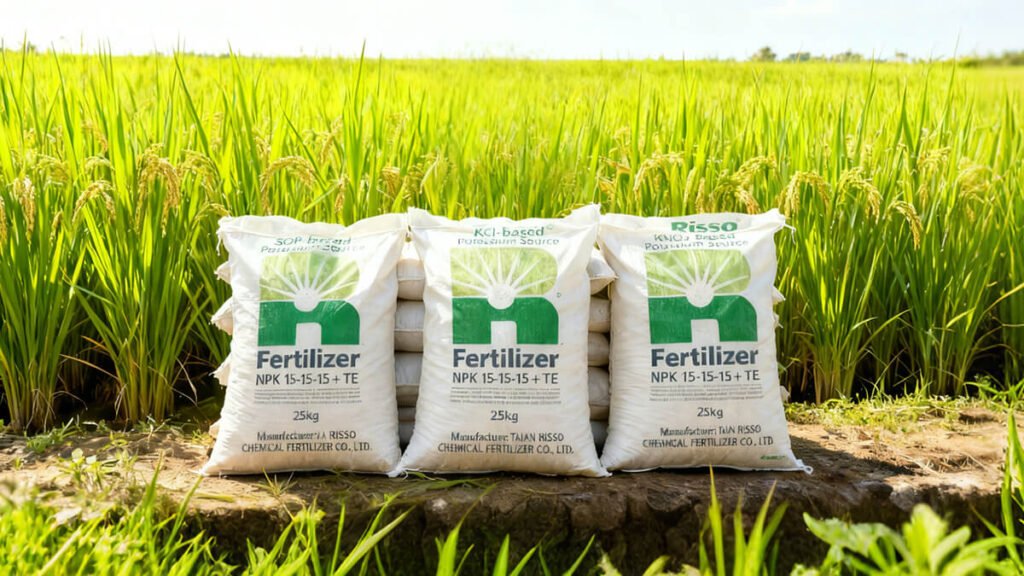
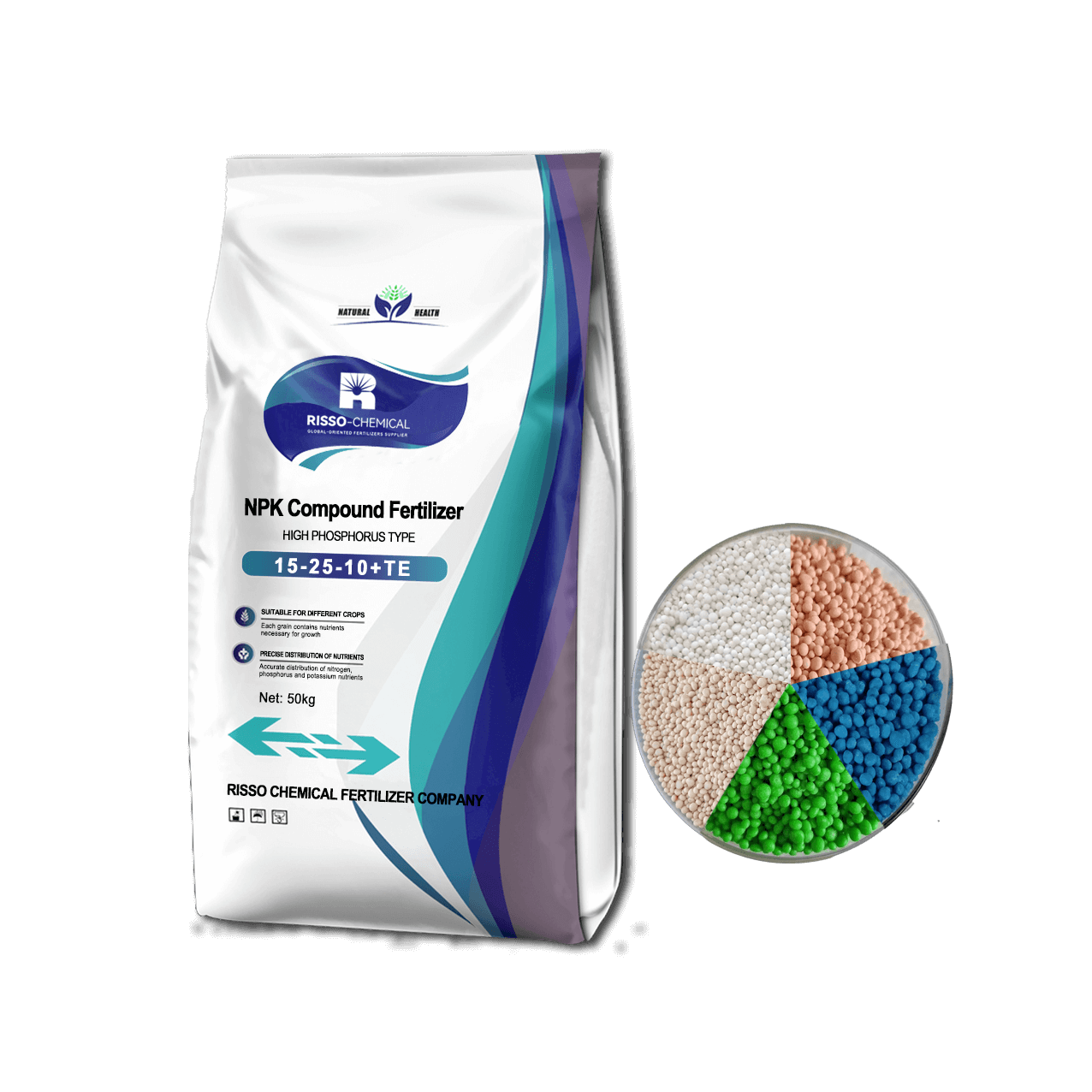
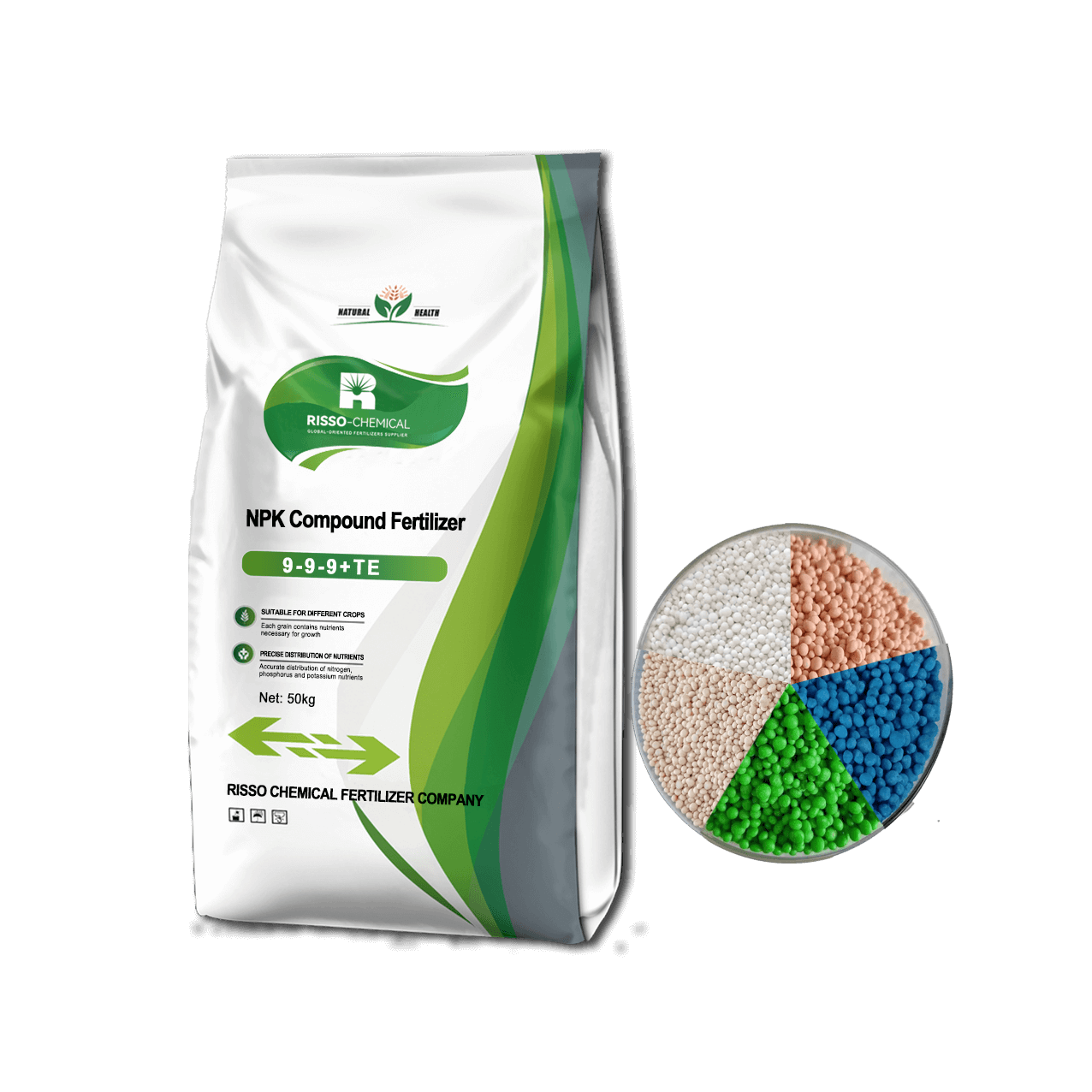
The NPK label (e.g., 15-15-15) represents:
N: Nitrogen content (%)
P: Phosphorus content, expressed as P₂O₅ (%)
K: Potassium content, expressed as K₂O (%)
Example: “15-15-15” contains 15% N, 15% P₂O₅, and 15% K₂O.
The actual source of each element affects the fertilizer’s properties and behavior in soil, influencing plant uptake and overall crop performance.
Role: Promotes leaf growth, enhances chlorophyll content and photosynthesis efficiency, critical for vegetative growth.
Common Sources:
Urea: Highly soluble, cost-effective, ideal for field top-dressing.
Ammonium Nitrate (AN): Fast-acting, highly soluble, suitable for foliar or drip irrigation.
Potassium Nitrate (KNO₃): Supplies both quick-acting K and NO₃⁻ nitrogen, ideal for high-value crops and greenhouse applications.
Role: Enhances root development, flowering, and fruiting; critical for energy transfer and cell division.
Common Sources:
Monoammonium Phosphate (MAP): High-solubility phosphorus, suitable for fertigation or blending.
Diammonium Phosphate (DAP): Supplies both nitrogen and phosphorus, efficient for basal or top-dressing applications.
Risso NPK solutions enable precise selection of N and P sources to optimize crop growth and yield.
Potassium plays multiple vital roles in plants:
Regulates water balance and stomatal activity
Activates enzymes and metabolic processes
Facilitates sugar and carbohydrate transport
Enhances stress tolerance and improves fruit quality
For best results, potassium must work in synergy with nitrogen and phosphorus. Risso’s professional NPK formulations ensure optimal K source selection based on crop type and application method.
| Source | Characteristics | Advantages | Disadvantages |
|---|---|---|---|
| SOP (K₂SO₄) | Chloride-free, contains sulfur | Suitable for chloride-sensitive crops; adds sulfur | Higher cost, slightly lower K content |
| KCl (MOP) | Contains chloride | Low cost, high K content, widely available | Chloride may affect sensitive crops; high salt index |
| KNO₃ | Highly soluble, chloride-free, contains NO₃⁻ | Fast-acting K, supplies nitrate nitrogen | Highest cost, nitrogen contribution must be accounted |
Choice depends on crop type, soil/water conditions, and application method (basal, top-dressing, foliar, or fertigation).
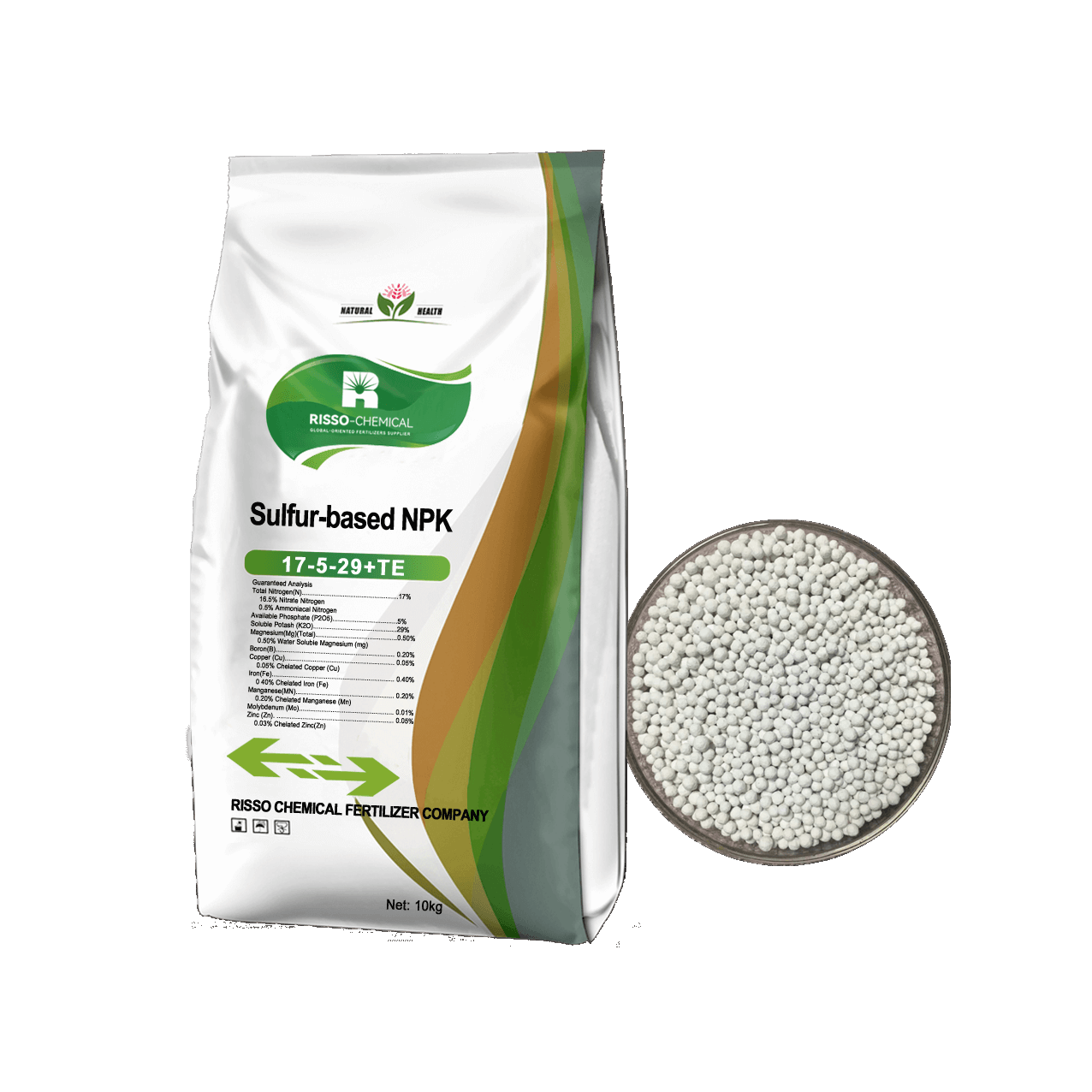
Advantages: Chloride-free, suitable for chloride-sensitive crops (vegetables, nuts, tobacco); provides sulfur to enhance protein synthesis and fruit quality.
Disadvantages: Higher cost, slightly lower K content, slightly lower solubility.
Ideal For: High-value fruit trees, vegetables, nuts, or sulfur-deficient soils.
Application: Risso NPK formulations can replace KCl in the blend, providing both K and S.
Advantages: Low cost, high K content, widely used.
Disadvantages: Contains chloride, may harm sensitive crops; high salt index.
Ideal For: Chloride-tolerant field crops (corn, wheat, rice, sugar beet), cost-sensitive scenarios.
Application: Default K source in many NPK blends.
Advantages: Highly soluble, chloride-free; supplies fast-acting K and nitrate N.
Disadvantages: High cost; nitrogen must be considered in overall N budget.
Ideal For: High-value crops (greenhouse vegetables, flowers, hydroponics); drip or foliar applications.
Application: Risso NPK allows precise top-dressing or fertigation use for rapid K and N supply.
Solubility: KNO₃ > SOP > KCl; choose based on fertigation or foliar application.
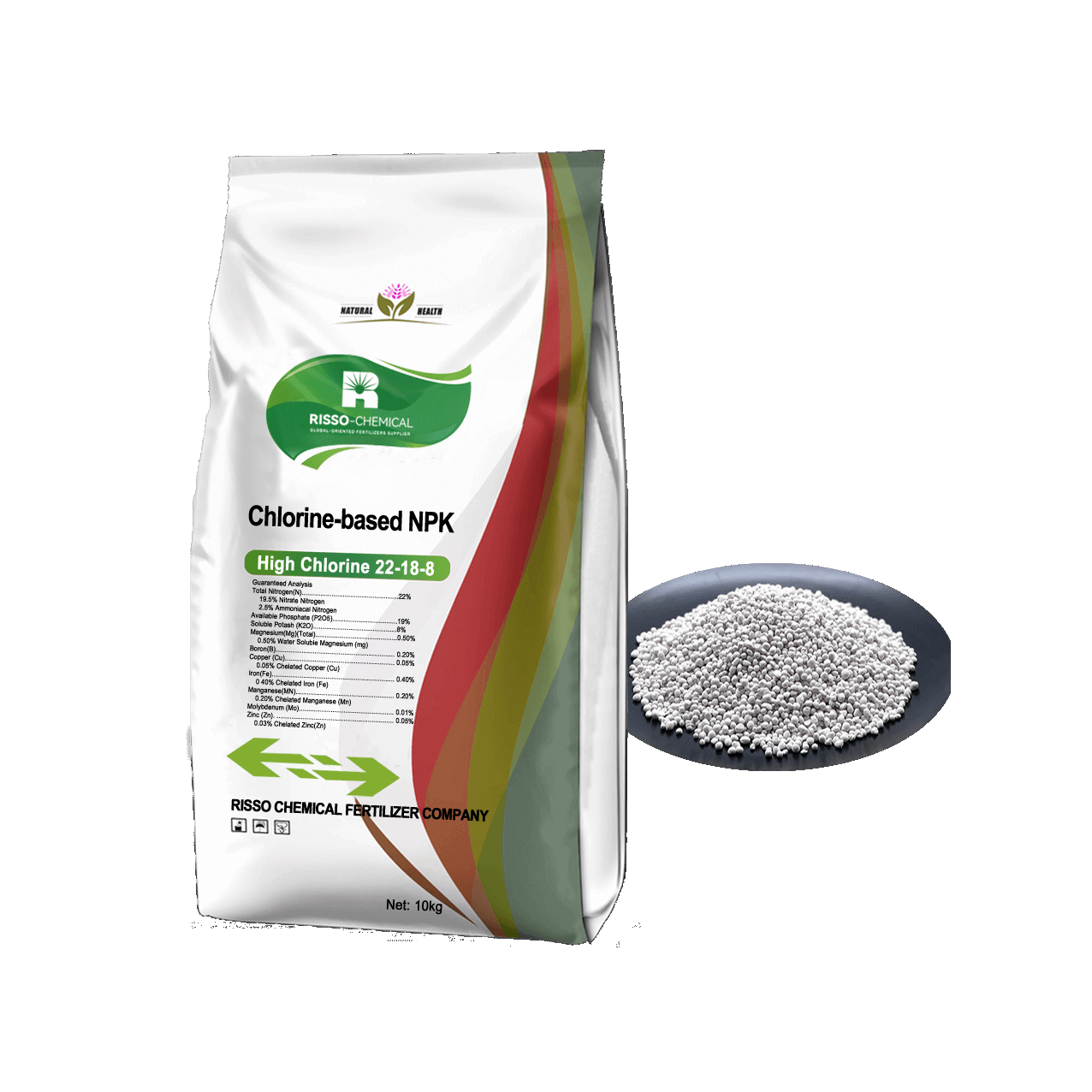
Chloride content: Avoid KCl for chloride-sensitive crops or high-Cl soils.
Sulfur requirement: SOP can improve crop quality in S-deficient soils.
Cost-effectiveness: KCl is cheapest but may incur additional leaching or crop damage costs.
Compatibility: Ensure K sources are compatible with N, P, and micronutrients to prevent precipitation.
| Crop/Condition | Recommended K Source |
|---|---|
| Chloride-sensitive crops | SOP or KNO₃ (nuts, tobacco, certain vegetables/fruit trees) |
| Chloride-tolerant field crops | KCl (corn, wheat, rice, sugar beet) |
| High-value/greenhouse crops | KNO₃ (vegetables, flowers, hydroponics) |
| High soil/water chloride levels | Avoid KCl; prefer SOP or KNO₃ |
| Sulfur-deficient soils | SOP |
| Source | Chloride (Cl⁻) | Sulfur (S) / Nitrate (NO₃⁻) | Solubility | Cost | Ideal Use |
|---|---|---|---|---|---|
| SOP (K₂SO₄) | None | Provides S | Good | Higher | Chloride-sensitive crops, S-deficient soils |
| KCl | High | None | Good | Lowest | Chloride-tolerant field crops, cost-sensitive |
| KNO₃ | None | Provides NO₃⁻ | Excellent | Highest | High-value crops, fertigation/foliar |
Long-term high KCl use without sufficient leaching may lead to chloride accumulation, affecting sensitive crops and root health.
High-salt potassium fertilizers (like KCl) near roots may cause seedling burn.
SOP improves sulfur-deficient soils and enhances stress resistance.
Fertigation or hydroponics with high-solubility K sources (KNO₃) increases efficiency but requires monitoring to prevent salt stress.
A: It depends on crop tolerance to chloride, soil/water conditions, and sulfur needs. Chloride-tolerant crops can use KCl; sensitive crops or S-deficient soils benefit from SOP.
A: Yes, but total K, nitrate N contribution, and Cl⁻ accumulation must be considered.
A: No. High-value crops or foliar applications favor KNO₃ or SOP, while general field crops can use KCl.
A: K₂O represents equivalent K content, differing from the actual salt (KCl, K₂SO₄, KNO₃); associated ions affect plant and soil.
In NPK fertilizer design and application, source selection is as important as total nutrient content. SOP, KCl, and KNO₃ each have advantages and limitations. Risso NPK solutions integrate soil and water conditions, crop sensitivity, and application methods to optimize N, P, and K sources, improving crop yield, quality, and soil health.
If you want to know other questions about NPK Fertilizer, please contact us and we will provide professional answers.
✔ Quick & helpful reply within 6 hours.
✔ Tailored solutions for your project.
✔ One-stop product, tech, market

Want to find a China fertilizer manufacturer?
Risso will be your best choice; send us your request for your fertilizer details requirement
© Copyright 2017 RISSO CHEMICAL. All Rights Reserved.