
2026-03-03
Conventional urea dissolves rapidly after application, often leading to significant nitrogen losses through ammonia volatilization (NH₃), nitrate leaching (NO₃⁻), and denitrification (N₂O). These losses reduce nitrogen use efficiency (NUE), increase fertilization frequency, and raise environmental concerns.
Controlled-release urea (CRU) technologies were developed to synchronize nitrogen availability with crop demand. Among them, SCU (Sulfur-Coated Urea) and PCU (Polymer-Coated Urea) represent two fundamentally different technical pathways, widely used in agriculture, turf management, and horticulture.
As a global fertilizer supplier, Risso integrates both economic and high-performance controlled-release solutions to meet diverse agronomic and market needs.
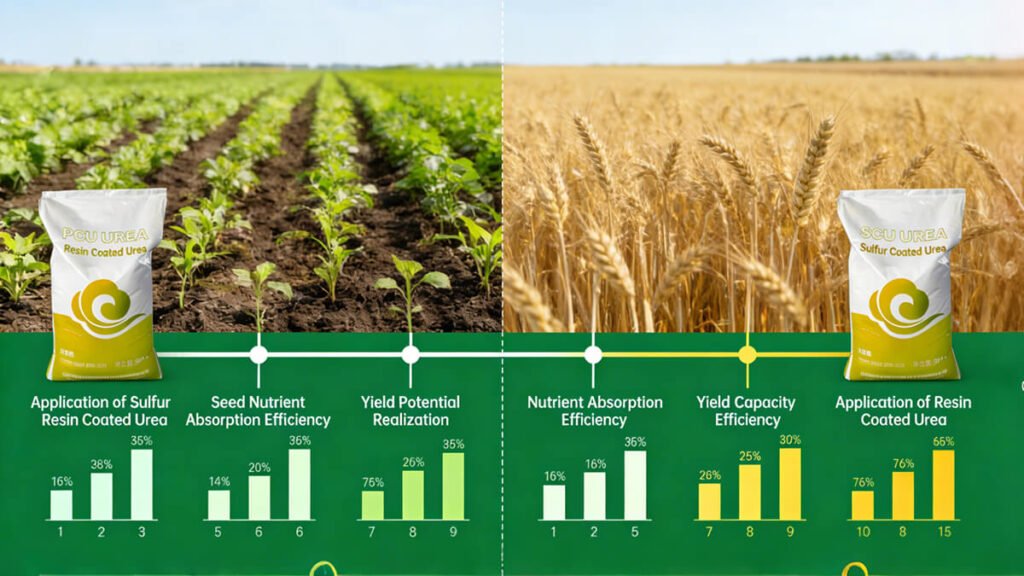
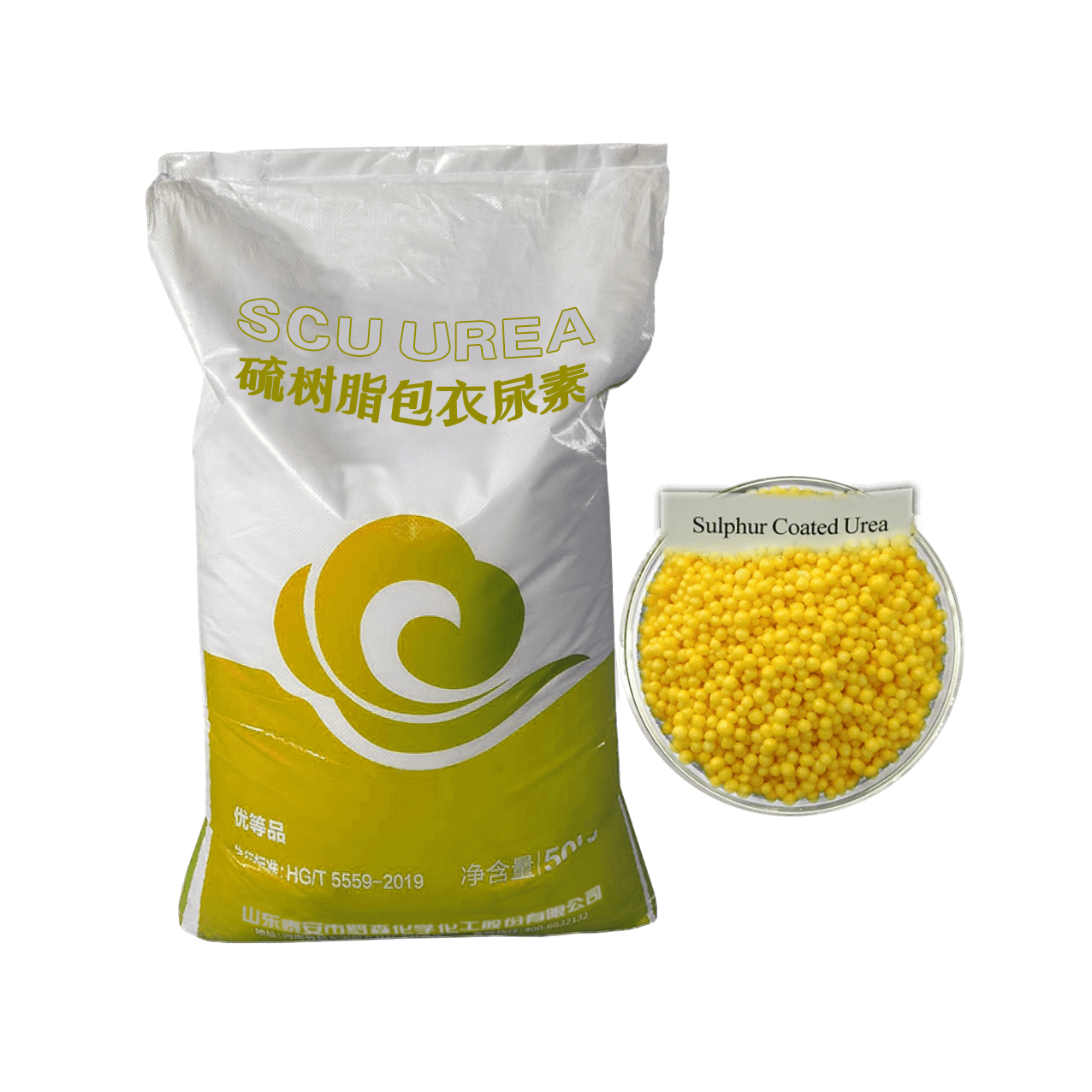
SCU UREA (Sulfur-Coated Urea) is a slow-release nitrogen fertilizer produced by coating urea granules with molten sulfur, often combined with wax or sealants.
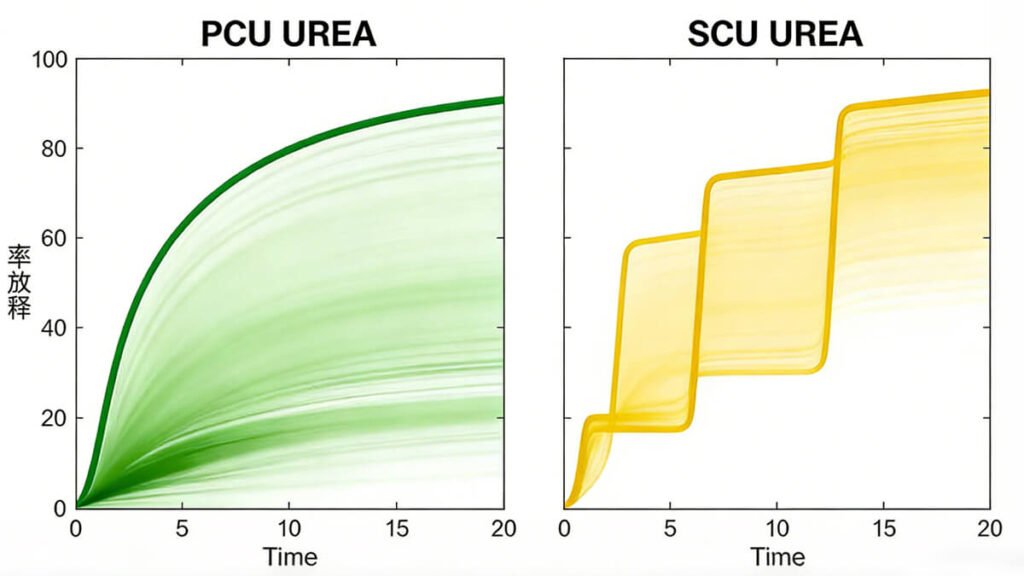
👉 SCU is best described as an “environment-driven slow-release fertilizer” rather than a precisely controlled one.
Typical release duration: approximately 6–8 weeks, with considerable variability.
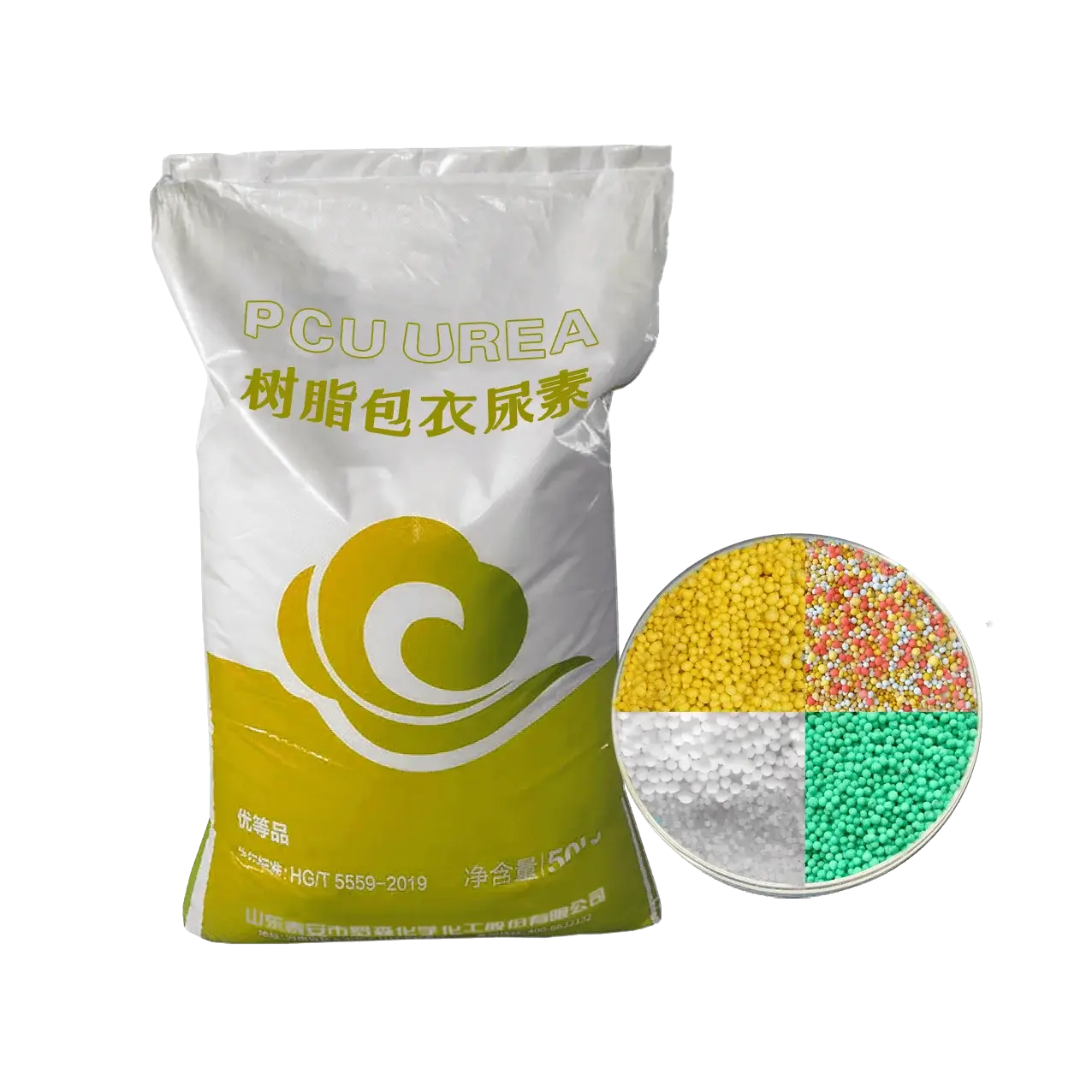
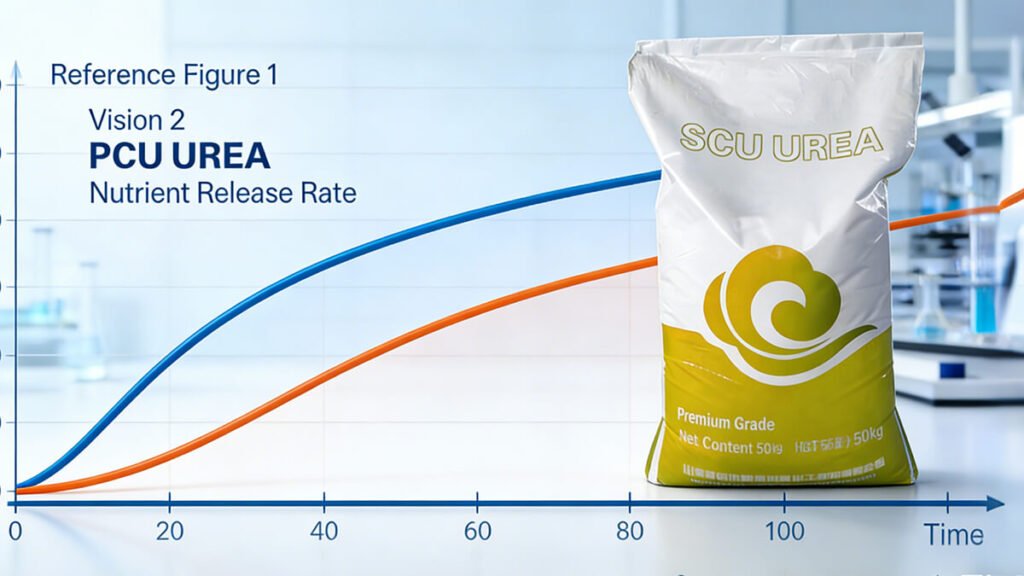
PCU UREA (Polymer-Coated Urea) is an advanced controlled-release fertilizer in which urea granules are encapsulated by synthetic or bio-based polymer membranes (e.g., polyurethane or resin systems).
At Risso, PCU technologies are designed to match crop nitrogen uptake curves across different climate zones and cropping systems.
| Parameter | SCU | PCU |
|---|---|---|
| Coating material | Sulfur (+ wax) | Polymer (resin / PU) |
| Mechanical strength | Brittle | Elastic and durable |
| Damage resistance | Low | High |
| Release control | Passive | Active |
Interpretation:
PCU coatings provide superior mechanical integrity and release consistency compared to sulfur-based coatings.
PCU:
👉 This mechanistic difference explains the performance gap between SCU and PCU.
| Performance Metric | SCU | PCU |
|---|---|---|
| Release uniformity | Low | High |
| Risk of nitrogen surge | High | Very low |
| Release period control | Limited | Excellent |
| Customization | Minimal | Strong |
| Factor | SCU | PCU |
|---|---|---|
| Temperature sensitivity | High | Moderate |
| Soil moisture sensitivity | High | Lower |
| Microbial dependency | Moderate | Low |
| Predictability | Poor | High |
PCU: Significant NUE enhancement, often exceeding 70% under optimized conditions
PCU: More effective in minimizing NH₃ volatilization and N₂O emissions, supporting sustainable and low-emission agriculture
| Aspect | SCU | PCU |
|---|---|---|
| Product cost | Lower | Higher |
| Application frequency | Higher | Lower |
| Labor & management cost | Moderate | Lower |
| Overall ROI | Medium | High (for high-value crops) |
💡 Key insight:
Fertilizer decisions should be based on cost per unit of effective nitrogen, not price per ton.
High-value or long-season crops (vegetables, orchards, precision farming):
→ PCU preferred
PCU is ideal for premium turf and ornamental applications
PCU offers clear long-term advantages
❌ “SCU and PCU differ only in coating material.”
✅ In reality, they represent two generations of nitrogen release technology.
❌ “Nitrogen content alone determines fertilizer efficiency.”
✅ Release curve shape and NUE are equally critical.
PCU UREA
👉 SCU is an economic solution; PCU is a technological solution.
Rather than competing, they serve different agronomic and commercial tiers.
As a professional fertilizer manufacturer, Risso provides both SCU and PCU solutions to support efficient nitrogen management across global agricultural systems.
If you want to know other questions about Controlled-release urea, please contact us and we will provide professional answers.
✔ Quick & helpful reply within 6 hours.
✔ Tailored solutions for your project.
✔ One-stop product, tech, market

Want to find a China fertilizer manufacturer?
Risso will be your best choice; send us your request for your fertilizer details requirement
© Copyright 2017 RISSO CHEMICAL. All Rights Reserved.