Let more growers get greater benefits
Comprehensive Guide to Types of Urea: SCR, PCU & More
- Industry News
- December 9, 2018
- 1:41 pm

Urea, a widely used nitrogen fertilizer, plays a crucial role in agriculture and various industrial applications. This article provides an in-depth look at the types of urea available in the market, their characteristics, and their respective uses. Understanding these differences is essential for selecting the right product for specific needs.
Table of Contents
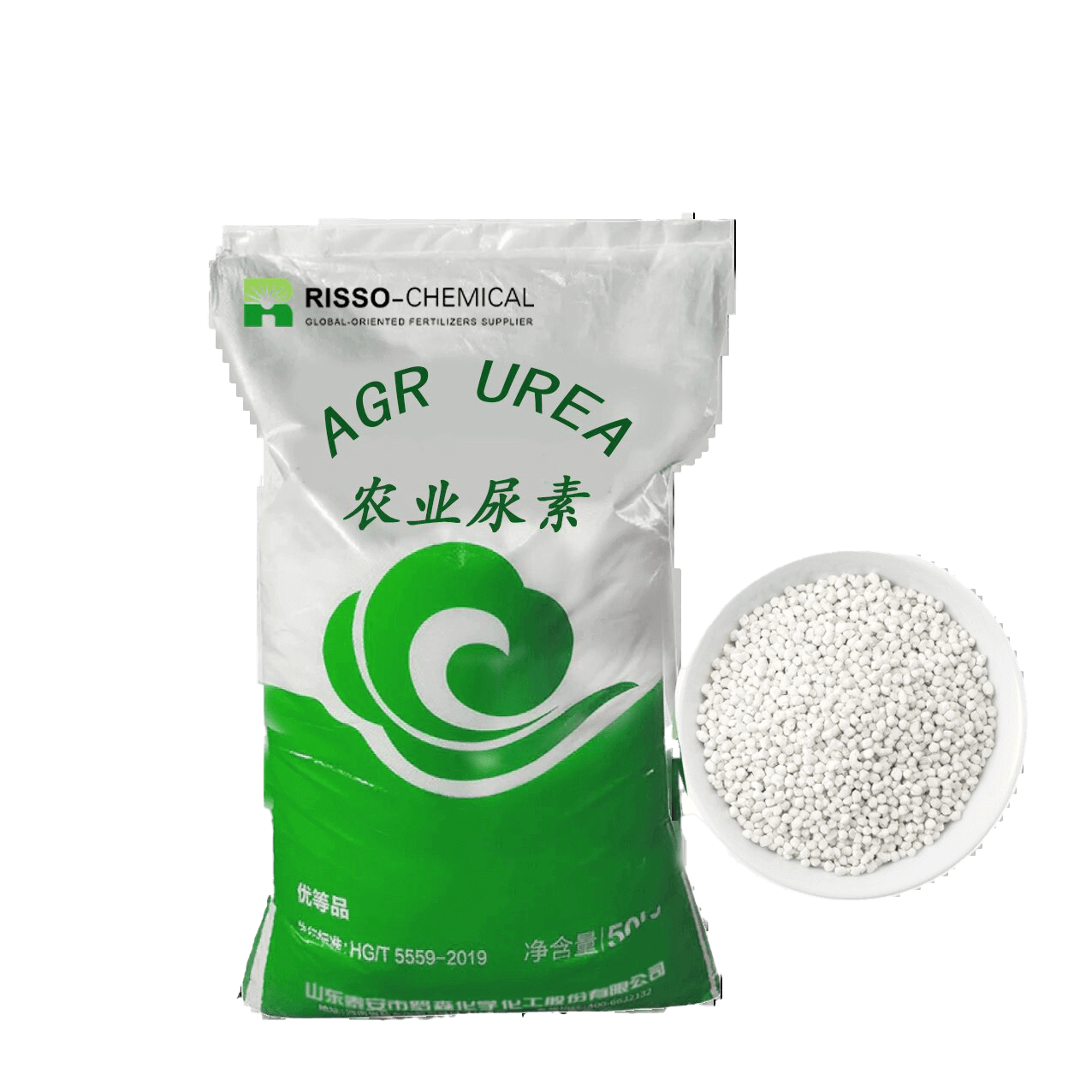
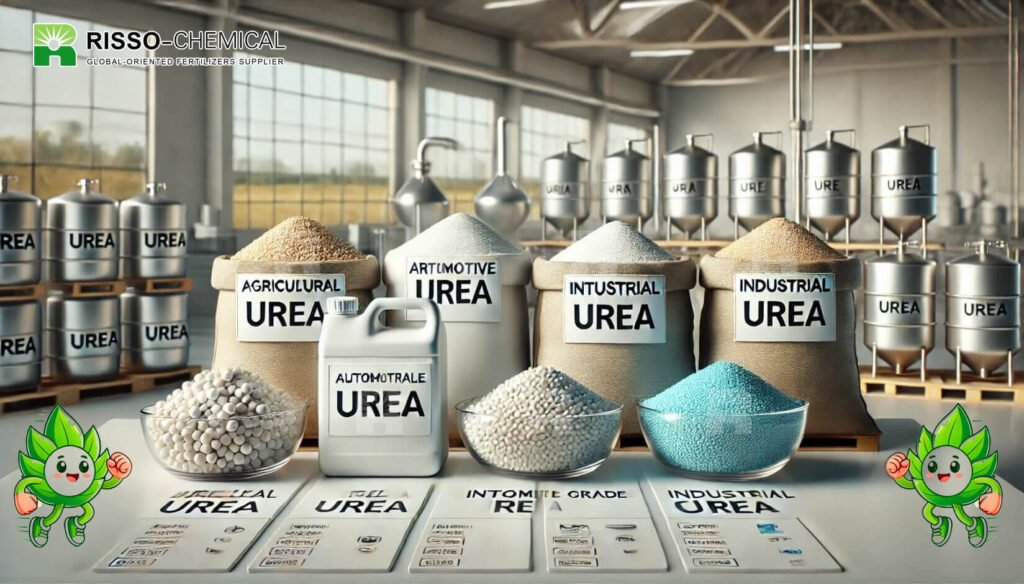
Agricultural urea is the most common type of urea and is primarily used as a nitrogen fertilizer. It contains 46% nitrogen, making it one of the most concentrated nitrogen sources available.
Characteristics:
- Granular or prilled form
- High nitrogen content (46%)
- Easily soluble in water
Applications:
- Suitable for all crops and soil types
- Used in top-dressing and basal applications
- Commonly blended with other fertilizers
Advantages:
- Cost-effective nitrogen source
- Enhances crop growth and yields
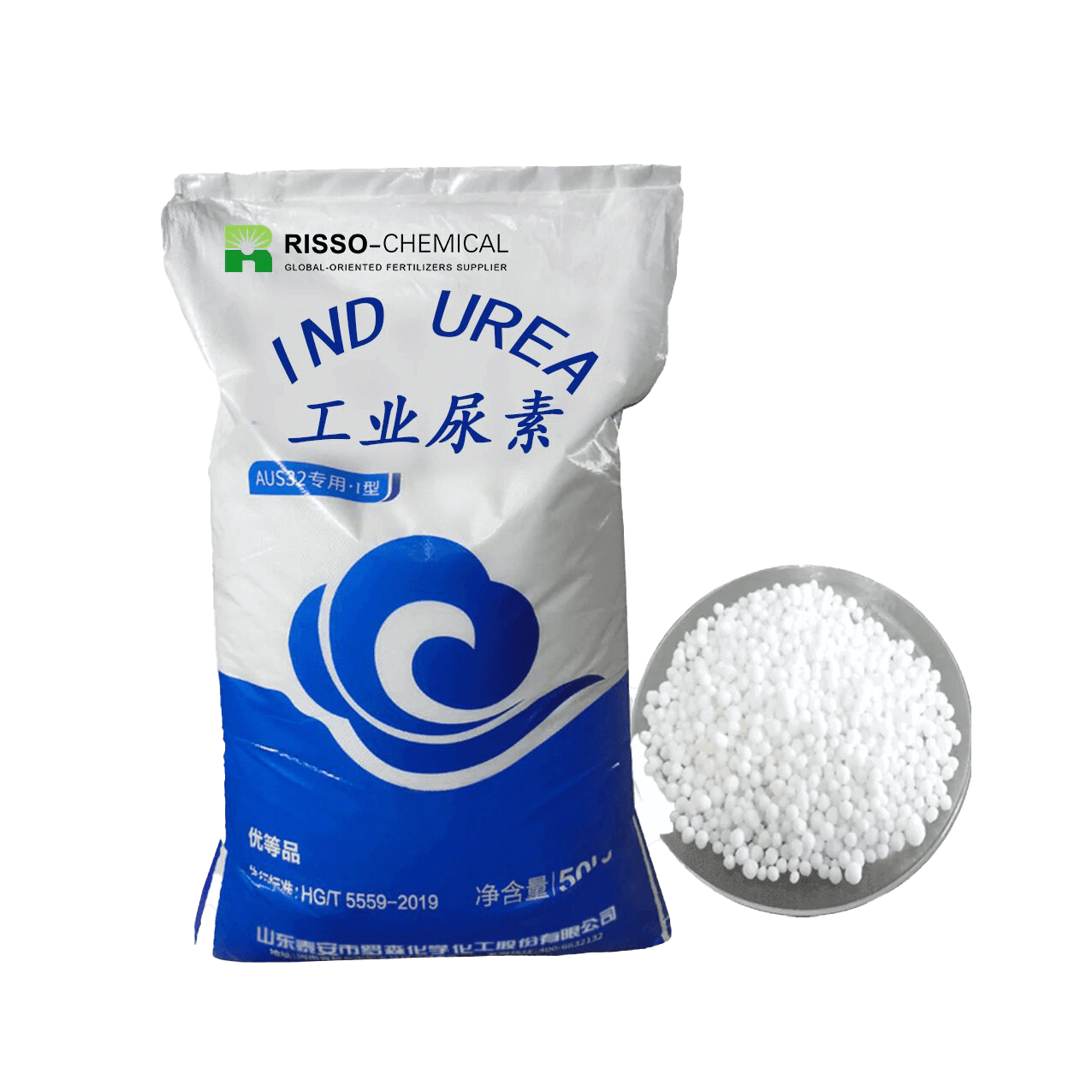
Industrial urea is manufactured for non-agricultural uses, such as in chemical processes and product manufacturing.
Characteristics:
- High purity level
- Available in various grades depending on the industry’s requirements
Applications:
- Used in the production of resins, adhesives, and plastics
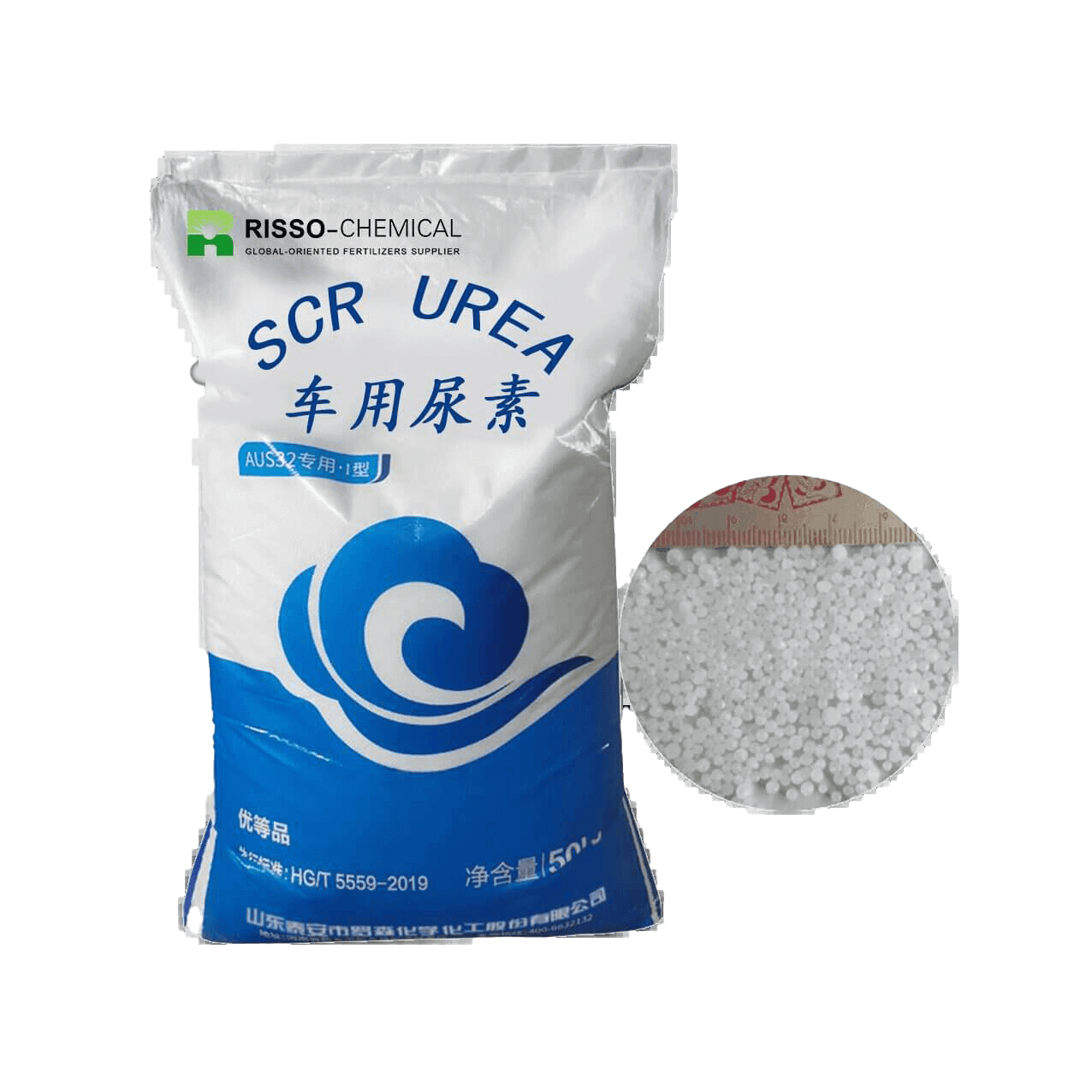
- Acts as a reducing agent in selective catalytic reduction (SCR) systems for emissions control
- Key ingredient in urea-formaldehyde production
Automotive grade urea is specifically manufactured for use in vehicles equipped with selective catalytic reduction (SCR) systems to reduce nitrogen oxide (NOx) emissions.
Characteristics:
- High purity and low biuret content
- Strictly meets standards like ISO 22241
Applications:
- Used as a component in diesel exhaust fluid (DEF), commonly known as AdBlue
- Essential for complying with emissions regulations in diesel engines
Advantages:
- Improves air quality by reducing harmful emissions
- Ensures proper functioning of SCR systems
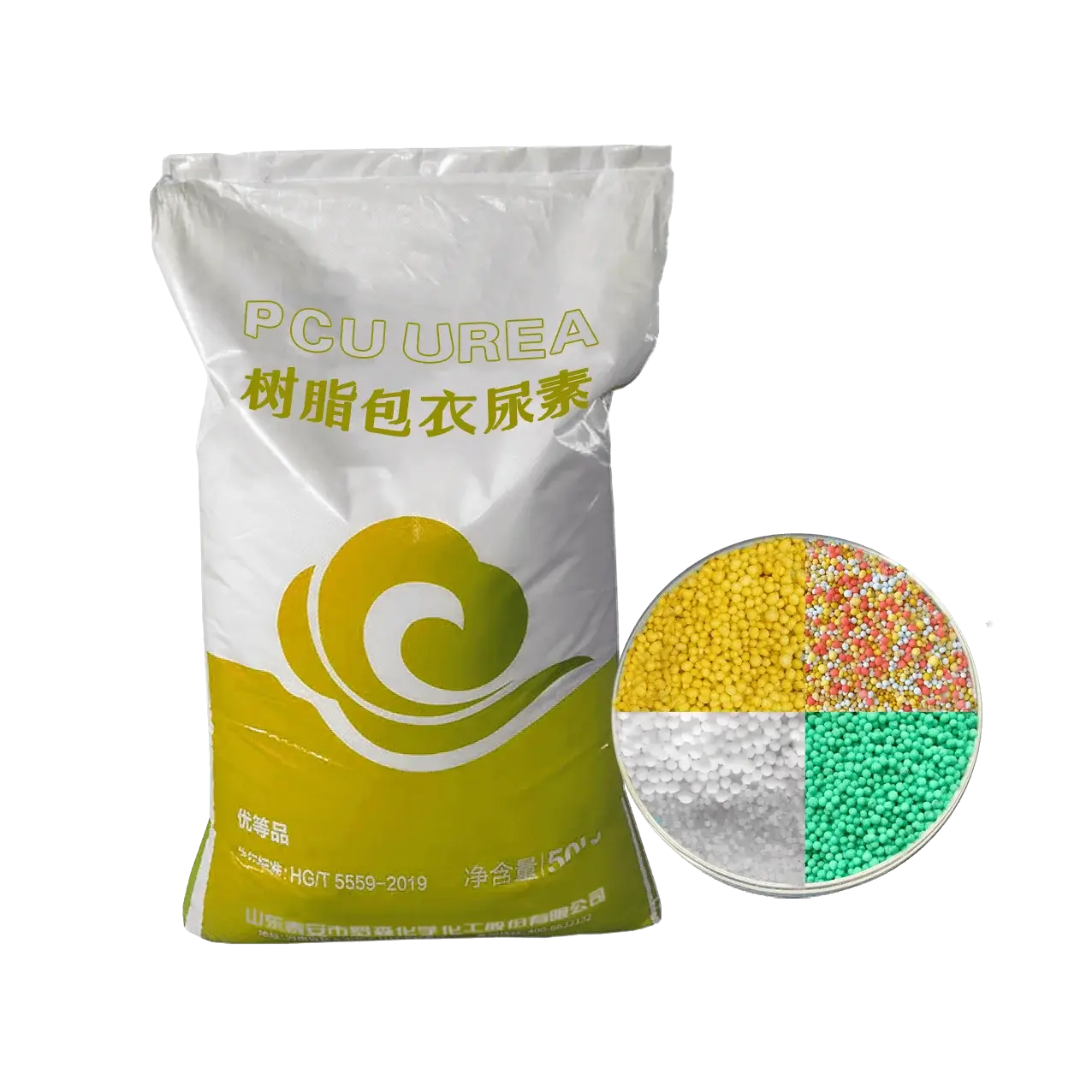
4. Coated Urea
Coated urea is a modified form designed to control the release of nitrogen, improving efficiency and reducing environmental impact.
Types:
- Sulfur-Coated Urea (SCU): Coated with sulfur to slow down nitrogen release.
- Polymer-Coated Urea (PCU): Uses a polymer coating for more precise control.
Applications:
- Suitable for high-value crops and areas prone to nitrogen loss
- Reduces leaching and volatilization
Benefits:
- Prolonged nutrient availability
- Enhances nitrogen use efficiency (NUE)
5. Urea Ammonium Nitrate (UAN)
Characteristics:
- Nitrogen content typically ranges from 28% to 32%
- Easy to handle and apply
Applications:
- Ideal for precision agriculture techniques
- Can be applied via irrigation systems or foliar sprays
Advantages:
- Uniform application
- Reduced risk of nitrogen loss compared to solid urea
6. Prilled vs. Granular Urea
Shandong Haihua Group is one of the major urea producers located in Shandong Province, China’s industrial hub. The company’s urea production is supported by its vast infrastructure and energy-efficient processes.
Strengths and Characteristics:
- Energy Efficiency: Shandong Haihua is known for its investment in energy-efficient production technologies, lowering operational costs.
- Strong Domestic Market: The company’s dominance in China allows it to cater to the rapidly growing domestic agricultural sector.
- Product Diversification: Apart from urea, Shandong Haihua manufactures a wide range of fertilizers and chemical products.
Choosing the Right Urea
- For general farming: Agricultural urea or UAN is often sufficient.
- For precision agriculture: Coated urea or UAN ensures efficient nitrogen use.
- For industrial purposes: High-purity industrial urea is essential.
- For automotive use: Automotive grade urea is mandatory for SCR systems.
Environmental Considerations
Conclusion
Urea’s versatility and efficiency make it an indispensable fertilizer and industrial product. Understanding its types and applications ensures optimal performance while minimizing environmental impact. By selecting the right type of urea, users can achieve better results and contribute to sustainable practices.
Corn Fertilizers Related Products
If you want to know other questions about Urea Fertilizers please contact us and we will provide professional answers.
- Article
What will you get when touch?
✔ Quick & helpful reply within 6 hours.
✔ Tailored solutions for your project.
✔ One-stop product, tech, market