

2026-03-03
Nitrogen fertilizers are essential for crop growth and high yields in modern agriculture. Among the most commonly used nitrogen sources are urea and ammonium sulfate, each with unique properties and applications. In this detailed guide, we will compare these two fertilizers across multiple dimensions to help farmers make informed, science-based decisions.
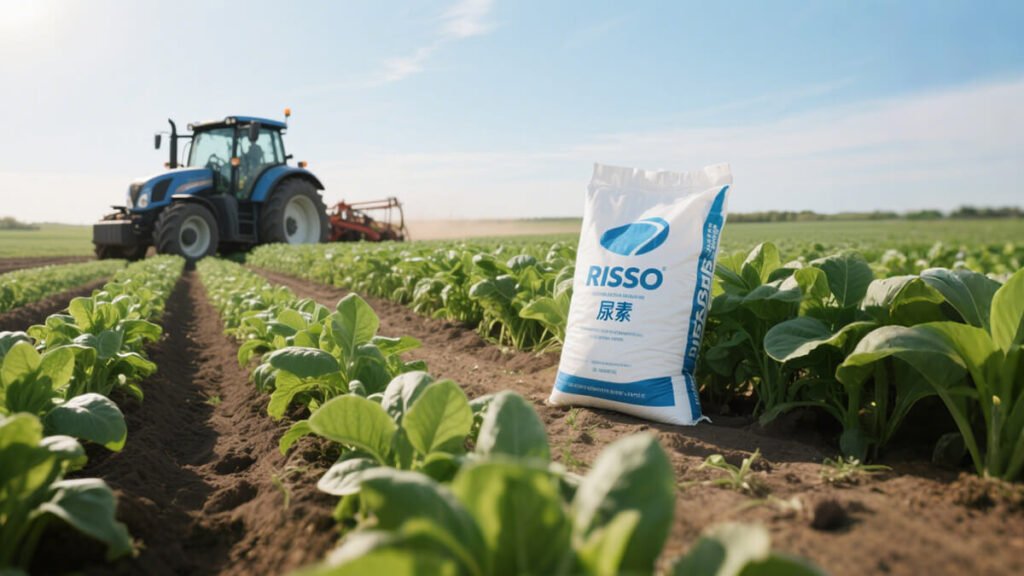
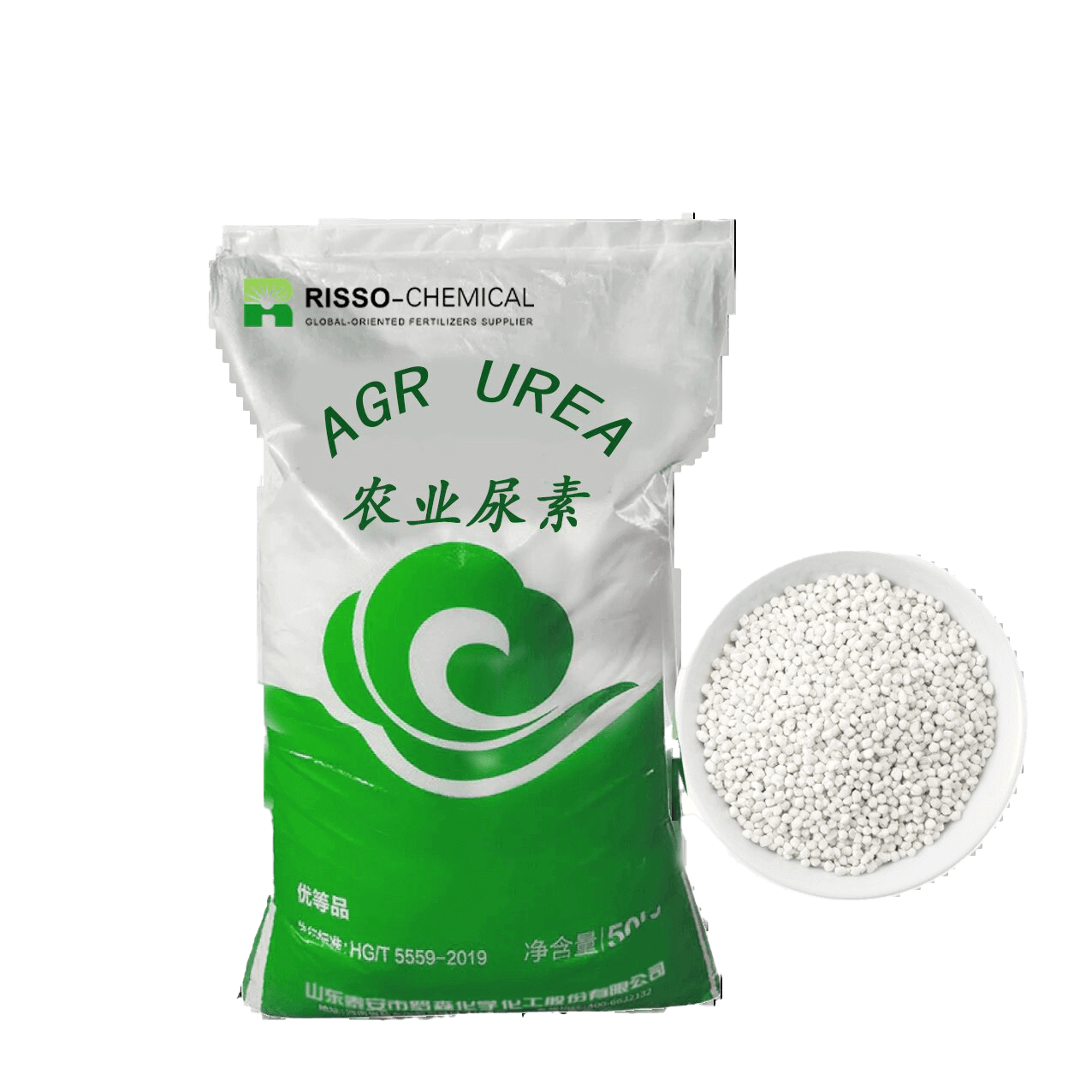
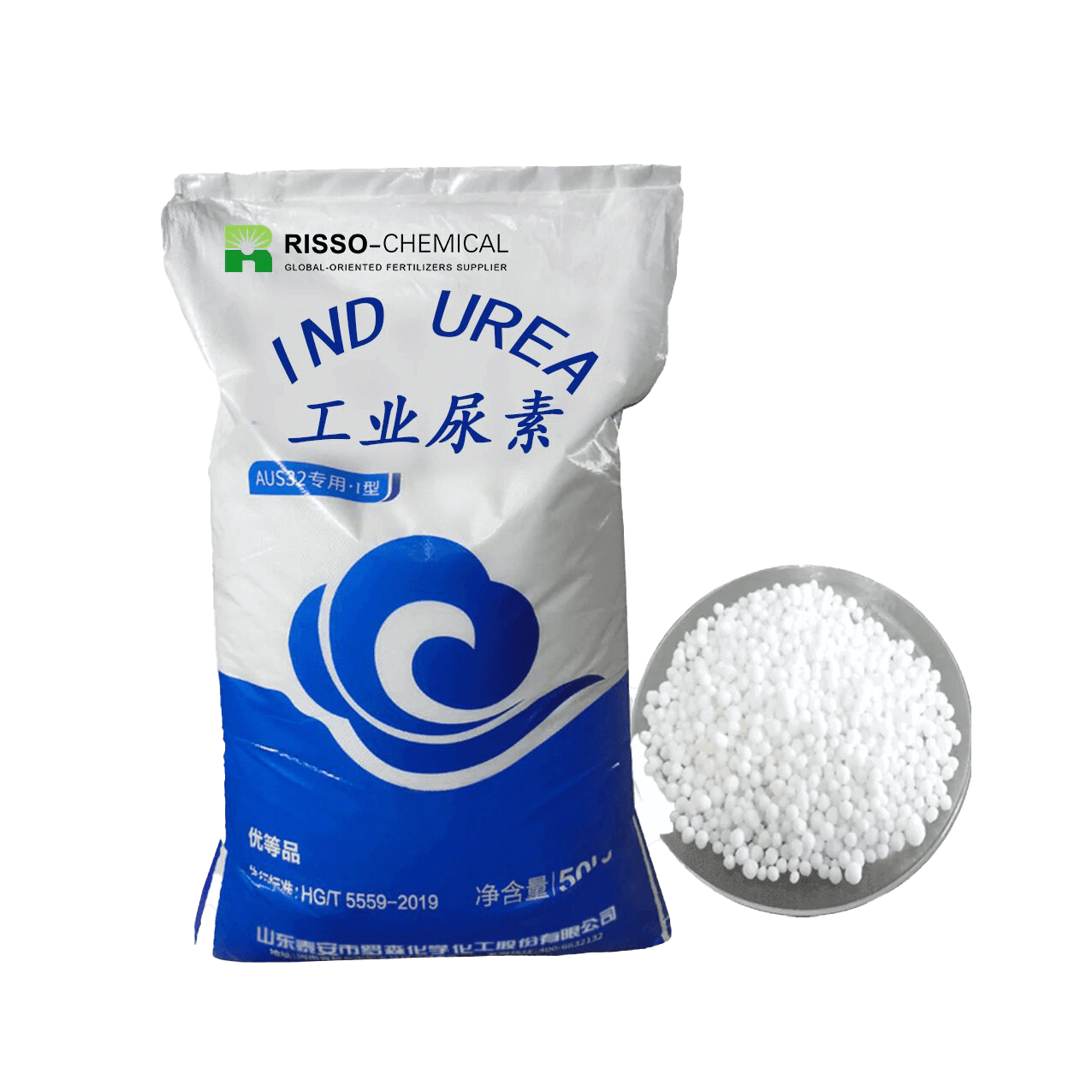
Urea: Chemically known as carbamide, urea contains about 46% nitrogen, making it one of the highest nitrogen-concentration fertilizers available. It is typically in white crystalline or granular form. Urea converts to ammonium in soil, providing a readily available nitrogen source for crops. Risso urea fertilizers are highly soluble and widely used in global agriculture.
Ammonium Sulfate: With the chemical formula (NH₄)₂SO₄, ammonium sulfate contains around 21% nitrogen and provides sulfur as an additional nutrient. It exists in granular or powdered form and is particularly suitable for alkaline soils due to its acidifying effect. Risso ammonium sulfate delivers both nitrogen and sulfur efficiently for sulfur-deficient crops.

| Property | Urea (Risso®) | Ammonium Sulfate (Risso®) |
|---|---|---|
| Nitrogen Content | ~46% | ~21% |
| Form | Crystalline or granular | Granular or powder |
| Solubility | Highly soluble | Moderately soluble |
| Soil pH Impact | Minimal | Lowers soil pH, ideal for alkaline soils |
| Sulfur Content | None | Contains sulfur |
Urea: High nitrogen content ensures rapid fertilization. Best for nitrogen-demanding crops like corn, wheat, and rice. However, urea is prone to ammonia volatilization, especially in warm or dry conditions. Using Risso urea fertilizers with controlled-release or proper application techniques can minimize losses.
Ammonium Sulfate: Provides a more stable nitrogen release and additional sulfur, which is essential for crops like oilseed rape, peanuts, and onions. Risso ammonium sulfate ensures steady nutrient supply while improving soil sulfur levels.
Urea: Ammonia volatilization can lead to nitrogen loss and environmental concerns. Application timing is crucial—preferably early morning or late evening. Using Risso® urea with enhanced formulations reduces nitrogen losses and increases crop efficiency.
Ammonium Sulfate: Acidifies the soil, which benefits alkaline soils but may cause long-term soil acidification if over-applied. Responsible application of Risso ammonium sulfate ensures balanced soil fertility without adverse environmental effects.
Urea: Ideal for most staple crops with high nitrogen requirements, such as wheat, maize, and rice. Recommended during early vegetative growth and tillering stages. Avoid high-temperature applications to reduce nitrogen loss.
Ammonium Sulfate: Suitable for crops with high sulfur demand, including oilseed crops, legumes, and alliums. Apply during early growth and flowering stages. Risso ammonium sulfate is formulated for optimal solubility and nutrient availability.
| Factor | Urea | Ammonium Sulfate |
|---|---|---|
| Market Price | Generally lower | Relatively higher |
| Storage and Transport | Easy to transport and store | Requires moisture protection |
| Crop Suitability | Broad application | Suitable for specific crops and soil types |

| Factor | Recommended Fertilizer |
|---|---|
| High nitrogen-demand crops | Urea |
| High sulfur-demand crops | Ammonium Sulfate |
| Alkaline soil regions | Ammonium Sulfate |
| Cost-effectiveness | Urea |
A1: It is generally not recommended, as mixing may increase nitrogen losses. Use them in separate applications or split applications for optimal crop uptake.
A2: High temperatures can cause ammonia volatilization, reducing nitrogen efficiency. Use Risso® urea fertilizers early in the morning or late in the evening to minimize losses.
A3: It lowers soil pH and is beneficial for alkaline soils. Long-term excessive use may cause soil acidification, so proper application rates are essential.
By selecting the right nitrogen fertilizer, farmers can improve crop yields, reduce nutrient loss, and maintain sustainable soil fertility. Risso fertilizers offer high-quality urea and ammonium sulfate products optimized for professional agricultural use, helping growers worldwide achieve the best results.
If you want to know other questions about nitrogen fertilizer, please contact us and we will provide professional answers.
✔ Quick & helpful reply within 6 hours.
✔ Tailored solutions for your project.
✔ One-stop product, tech, market

Want to find a China fertilizer manufacturer?
Risso will be your best choice; send us your request for your fertilizer details requirement
© Copyright 2017 RISSO CHEMICAL. All Rights Reserved.