2026-03-03
Urea (chemical formula: CO(NH₂)₂) is the most widely used nitrogen fertilizer in the world, accounting for over 60% of global nitrogen fertilizer consumption. With its high nitrogen content (46%), excellent solubility, and stable transport properties, urea is used extensively in agriculture, industry, animal feed, and automotive emissions treatment.
Risso offers a wide range of urea products in various forms and purities to meet the needs of agricultural, industrial, and environmental applications.
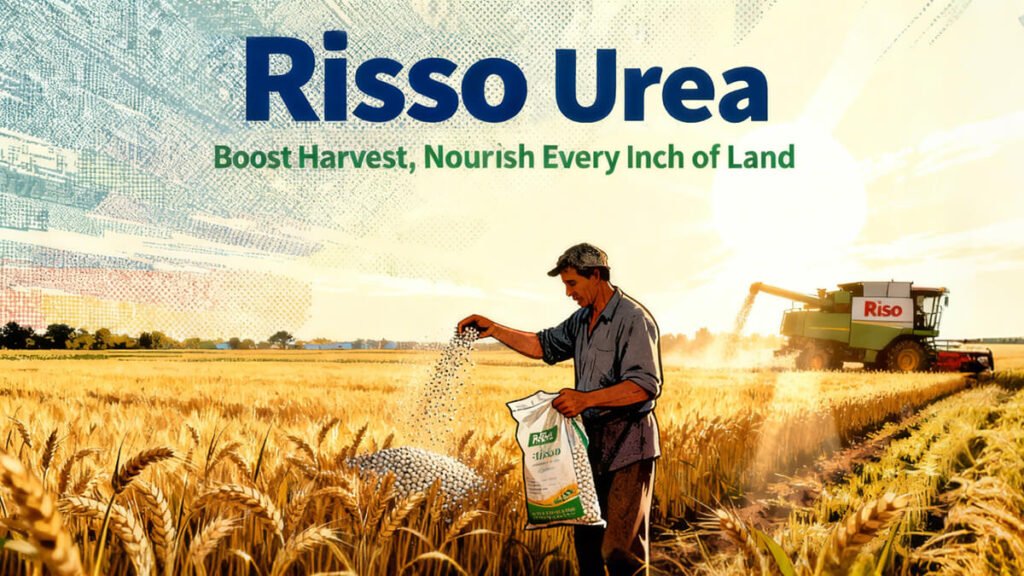
Urea is a neutral, odorless, and water-soluble white crystalline compound. Its high nitrogen content (46%) makes it one of the most efficient solid nitrogen sources available.
Molecular Formula: CO(NH₂)₂
Molecular Weight: 60.06 g/mol
Solubility: Highly soluble in water
Characteristics: Non-toxic, residue-free, hygroscopic
In agriculture, urea hydrolyzes into ammonium nitrogen, which is readily absorbed by plants. In industry, it serves as a key raw material for resins, adhesives, and pharmaceutical intermediates.
Larger granules (2–4 mm) with higher strength and anti-caking properties;
Suitable for mechanical spreading and fertilizer blending;
Risso Granular Urea utilizes low-dust, high-density granulation technology for enhanced storage and application stability.
Small spherical particles (1–2 mm) formed by spraying molten urea into a cooling tower;
Lower production cost and faster solubility;
Less moisture-resistant, not ideal for humid storage conditions.
Mainly used as an industrial raw material;
Risso Technical Urea ensures low biuret and high purity—ideal for resins, pharmaceuticals, and chemical formulations.
Formed by dissolving urea with ammonium nitrate;
Suitable for foliar spray or fertigation systems;
Risso provides customized liquid nitrogen formulations for precision agriculture.
| Type | Nitrogen Content | Main Application | Features |
|---|---|---|---|
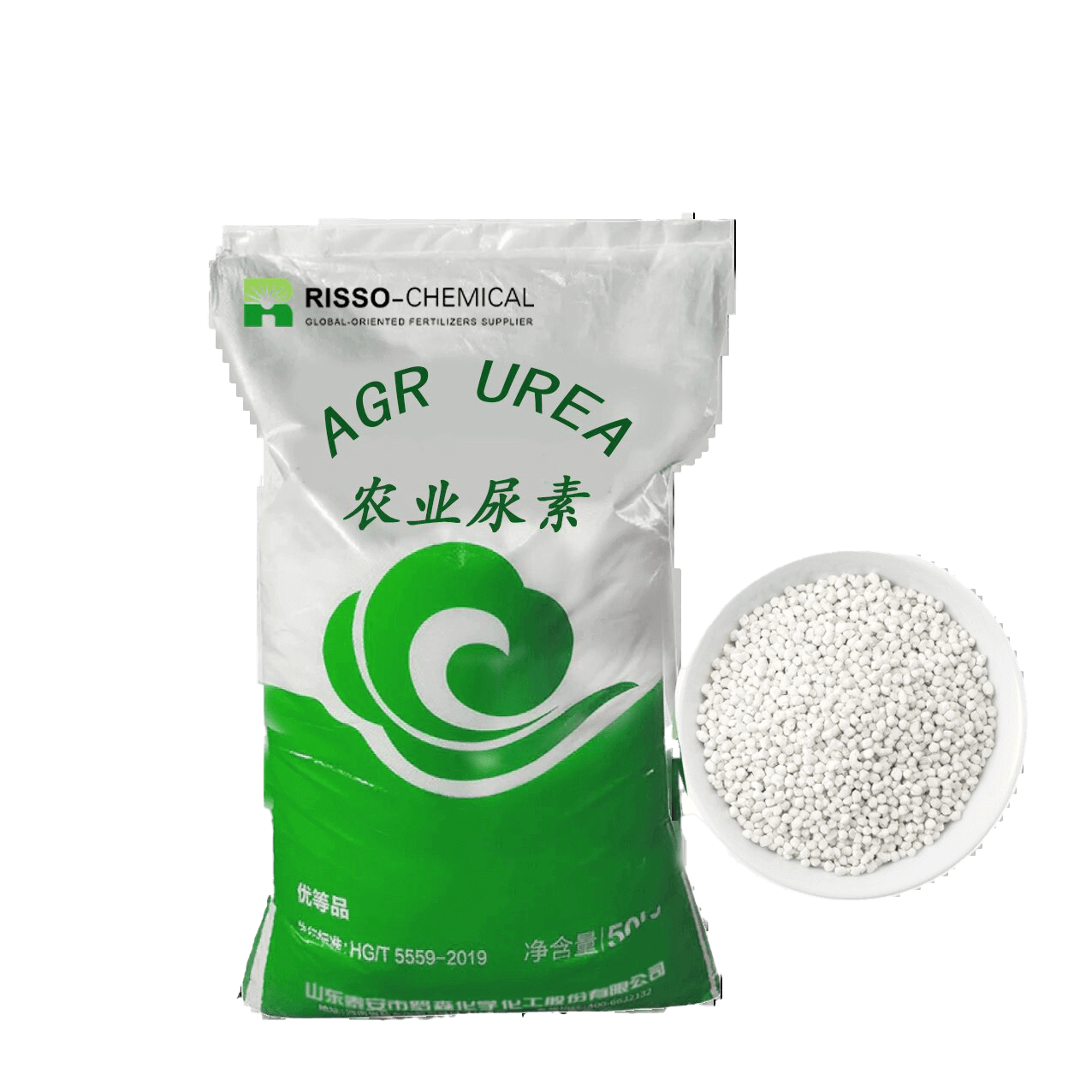
| Agricultural Grade | 46% | Field crops, horticulture | Low cost, fast solubility |
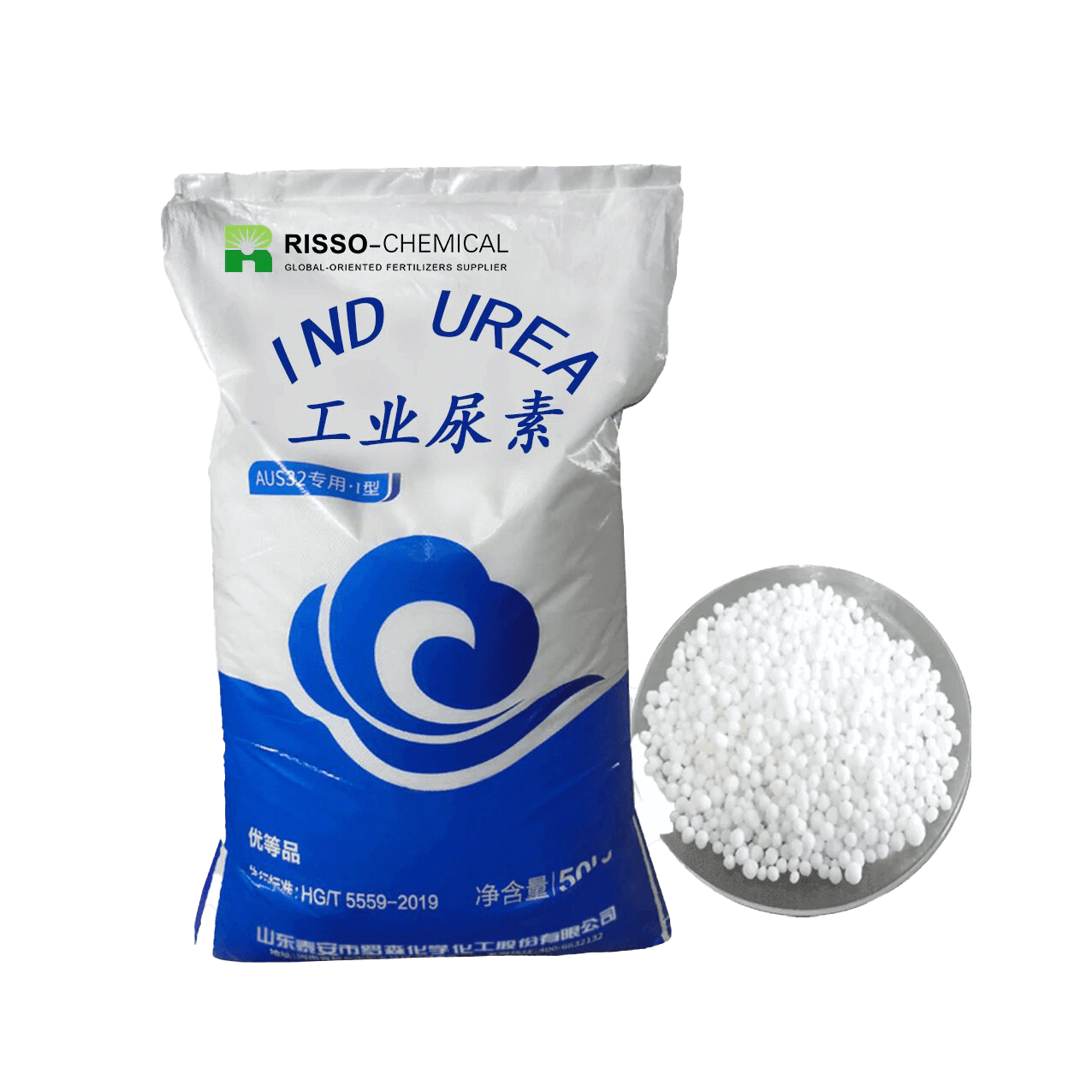
| Industrial Grade | 46% | Resins, adhesives, chemical synthesis | High purity, low impurities |
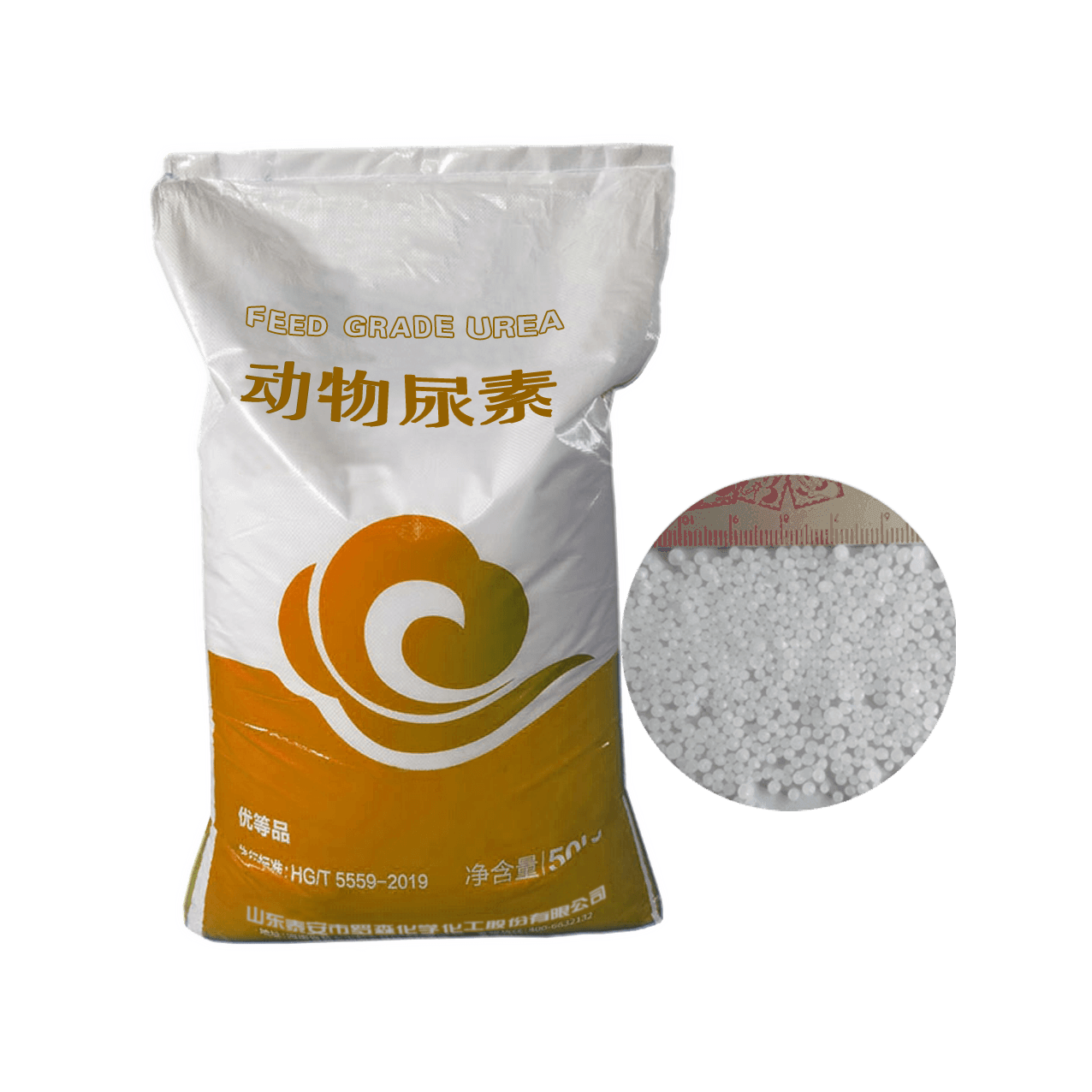
| Feed Grade | 46% | Non-protein nitrogen for ruminants | Feed safety compliant |
| Automotive Grade Urea Granules | 46% | Diesel exhaust treatment | Meets ISO 22241 standards |
Risso offers a complete urea portfolio—from agricultural and industrial grades to feed and automotive-grade urea granules.
Rapidly dissolving, suitable for crops with short nitrogen uptake cycles;
Prone to ammonia volatilization—should be incorporated into soil.
Sulfur layer creates a physical slow-release barrier;
Extends nitrogen release up to 6–8 weeks;
Ideal for turf and perennial crops.
Polymer membrane controls nitrogen release precisely;
Improves nitrogen-use efficiency by 20–30%;
Risso Controlled-Release series demonstrates superior nitrogen retention in multi-regional trials.
Chemically polymerized to form chain-like compounds;
Long-term release (several months);
Commonly used in horticultural and turf applications.
Suppress urease activity in soil, reducing ammonia loss.
Risso Enhanced Urea series adopts NBPT technology to increase fertilizer efficiency and environmental protection.
Slow down conversion of ammonium to nitrate, minimizing nitrogen leaching.
Ideal for sandy or high-rainfall regions.
Risso offers custom blends enriched with phosphorus, potassium, sulfur, and micronutrients to enhance overall crop nutrition.
Risso adopts the advanced Bosch–Meiser high-pressure synthesis process (NH₃ + CO₂ → CO(NH₂)₂ + H₂O), ensuring premium product quality through:
Automated nitrogen and biuret content analysis
Precise control of particle size and crushing strength
Low ash content and excellent solubility

Method: Incorporate into soil to reduce NH₃ volatilization;
Timing: Apply in multiple doses aligned with crop nitrogen uptake peaks;
Foliar Application: Dilute to 0.5–1% to prevent leaf burn;
Fertigation: Use liquid urea or UAN for best results.
Store in dry, ventilated areas to prevent moisture absorption;
Prolonged exposure may cause caking and slight ammonia odor;
Controlled-release and inhibitor-treated urea can significantly reduce NH₃ and N₂O emissions.
Risso is committed to low-carbon nitrogen technologies for sustainable agriculture.
| Application Scenario | Recommended Product | Key Features |
|---|---|---|
| Fast-growing crops (corn, wheat) | Risso Granular Urea | Rapid absorption, cost-effective |
| Turf or horticulture | Risso SCU / PCU | Slow-release, fewer applications |
| Industrial processes | Risso Technical Urea | High purity, low impurity |
| Ruminant feed | Risso Feed Grade Urea | Safe, stable supply |
| Diesel emission control | Risso Automotive Urea Granules | ISO 22241 certified |
A1: Granular urea has larger, stronger particles suitable for mechanical spreading, while prilled urea dissolves faster but is less moisture-resistant. Risso® provides customizable particle size options for both.
A2: SCU is more cost-effective with moderate release duration; PCU offers precise control and is ideal for high-value crops. Risso® provides multi-layer coating solutions tailored to crop cycles.
A3: Yes. NBPT is widely used globally and proven safe. Risso® Enhanced Urea meets EU and Chinese fertilizer safety standards.
A4: Generally yes, but dosage and formulation should be adjusted based on soil, climate, and application method. Contact Risso®’s technical team for customized guidance.
A5: Improper use may cause ammonia volatilization and nitrogen loss. Risso® controlled-release and inhibitor-based products significantly reduce environmental impact.
Though urea is a traditional nitrogen fertilizer, modern coating and inhibitor technologies have greatly enhanced its performance. Through continuous R&D and high-purity production, Risso is committed to delivering efficient and sustainable urea solutions for agriculture, industry, and environmental applications.
If you want to know other questions about nitrogen fertilizer, please contact us and we will provide professional answers.
✔ Quick & helpful reply within 6 hours.
✔ Tailored solutions for your project.
✔ One-stop product, tech, market

Want to find a China fertilizer manufacturer?
Risso will be your best choice; send us your request for your fertilizer details requirement
© Copyright 2017 RISSO CHEMICAL. All Rights Reserved.