
2026-03-03
Oil palm (Elaeis guineensis) is one of the most productive oil crops in the world and a cornerstone of agricultural economies across Southeast Asia, Africa, and Latin America. However, oil palm is also a nutrient-intensive perennial crop, and its yield, oil extraction rate, and plantation lifespan depend heavily on proper fertilizer selection and nutrient management.
So, what is the best fertilizer for oil palm trees?
The answer is not a single product, but a balanced, stage-specific fertilization strategy that supplies the right nutrients in the right proportions at the right time.
This guide provides a professional, research-based explanation of oil palm nutrient requirements, fertilizer types, and fertilization programs—helping growers achieve higher Fresh Fruit Bunch (FFB) yields, better oil quality, and long-term sustainability.
As a fertilizer manufacturer serving global tropical agriculture, Risso focuses on developing balanced and crop-specific fertilizer solutions for oil palm plantations.
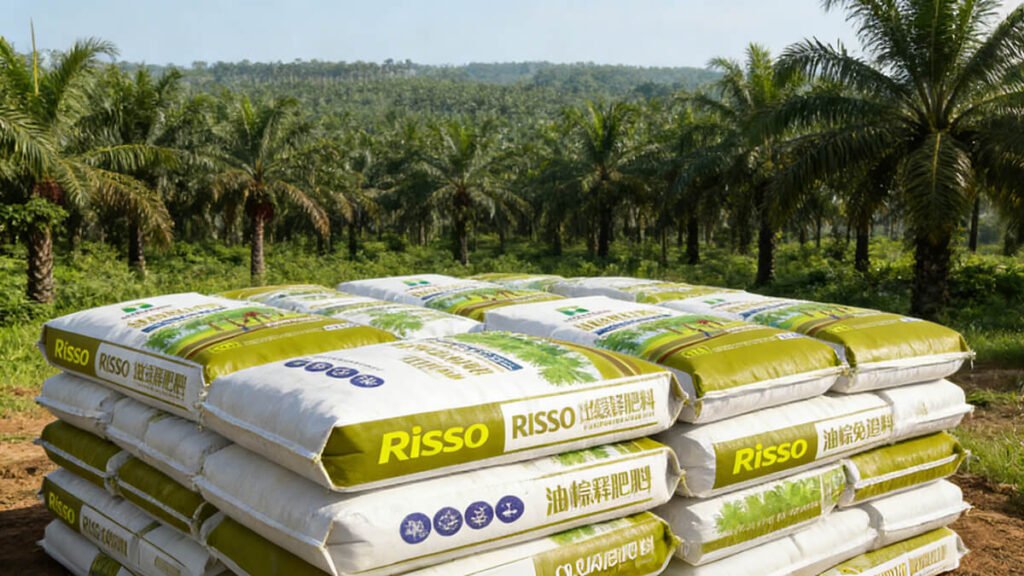
Oil palm is a long-term crop with an economic lifespan of 20–25 years. Unlike annual crops, oil palm continuously removes nutrients from the soil year after year.
For every 1 ton of Fresh Fruit Bunches (FFB) harvested, significant amounts of:
are exported from the field. Without proper replenishment, soil fertility declines rapidly, leading to yield stagnation, poor fruit set, and early palm aging.
👉 This is why selecting the best fertilizer for oil palm trees is a foundational decision for plantation success.
Nitrogen is essential for:
Nitrogen deficiency results in pale leaves, reduced leaf area, and lower FFB production—especially in young palms.
Phosphorus is most critical during the early years:
Insufficient phosphorus can delay palm maturity and reduce future yield potential.
Balanced NPK fertilization forms the backbone of oil palm nutrition. However, oil palm does not require equal proportions of N, P, and K throughout its life cycle.
In practice:
Among these, potassium demand is the highest.
Oil palm is widely recognized as a potassium-loving crop.
Adequate potassium supply:In high-yield plantations, potassium application rates often exceed nitrogen rates, making potassium-rich fertilizers a defining feature of the best fertilizer for oil palm trees.
Magnesium deficiency, often seen as orange-yellow striping on older leaves, is common in acidic or sandy soils.
Balanced oil palm fertilization must include boron to achieve stable yields.
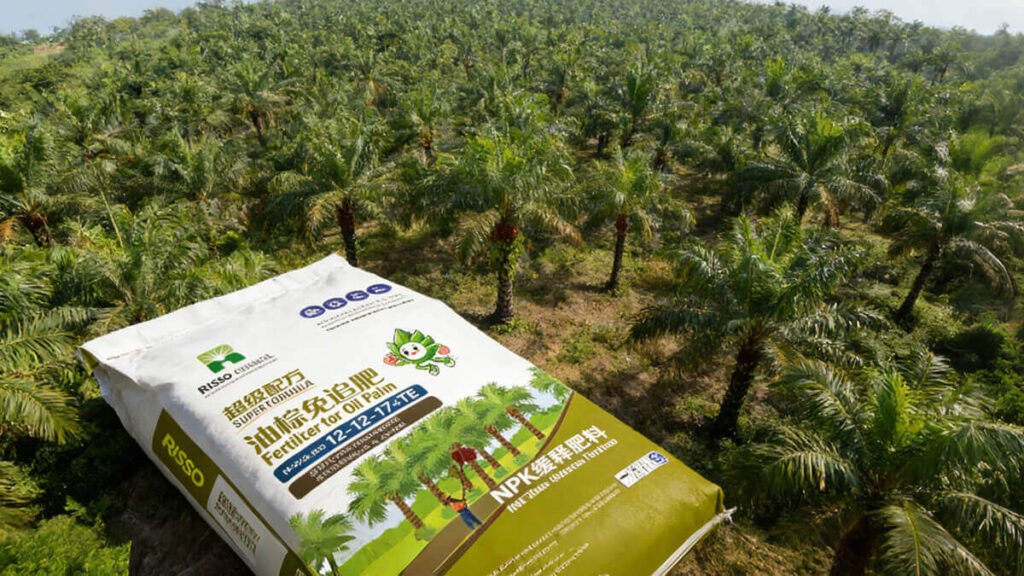
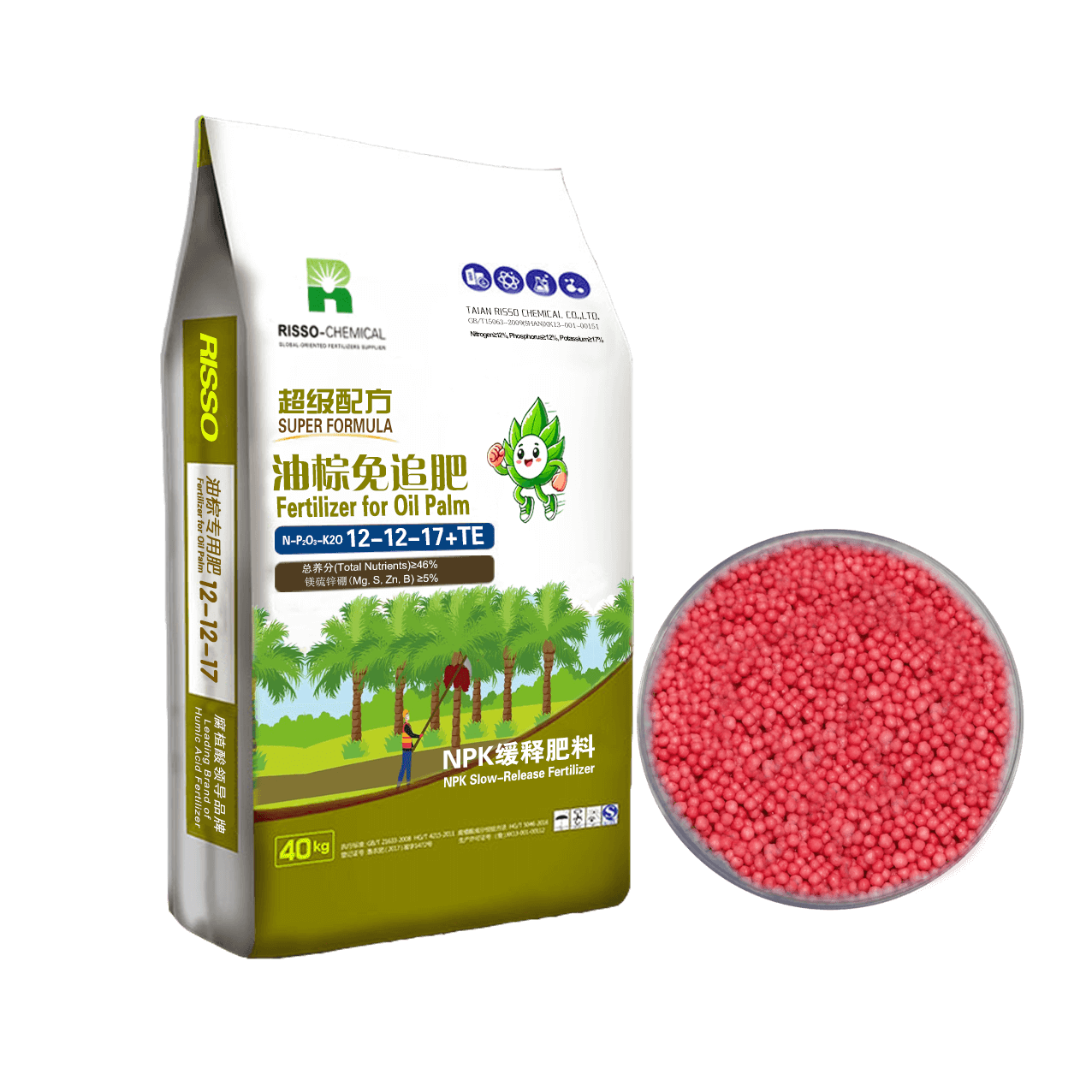
High-K NPK compound fertilizers are the most widely used fertilizers in commercial oil palm plantations. Typical formulations include:
These formulations provide balanced nutrition while prioritizing potassium, magnesium, and micronutrients—making them ideal for productive palms.
Compared to general-purpose fertilizers, they offer higher nutrient-use efficiency and better long-term performance. Many large plantations prefer customized programs from professional suppliers such as Risso, especially in high-rainfall regions.
They are increasingly used in sustainable oil palm fertilization systems.
Recommended option:
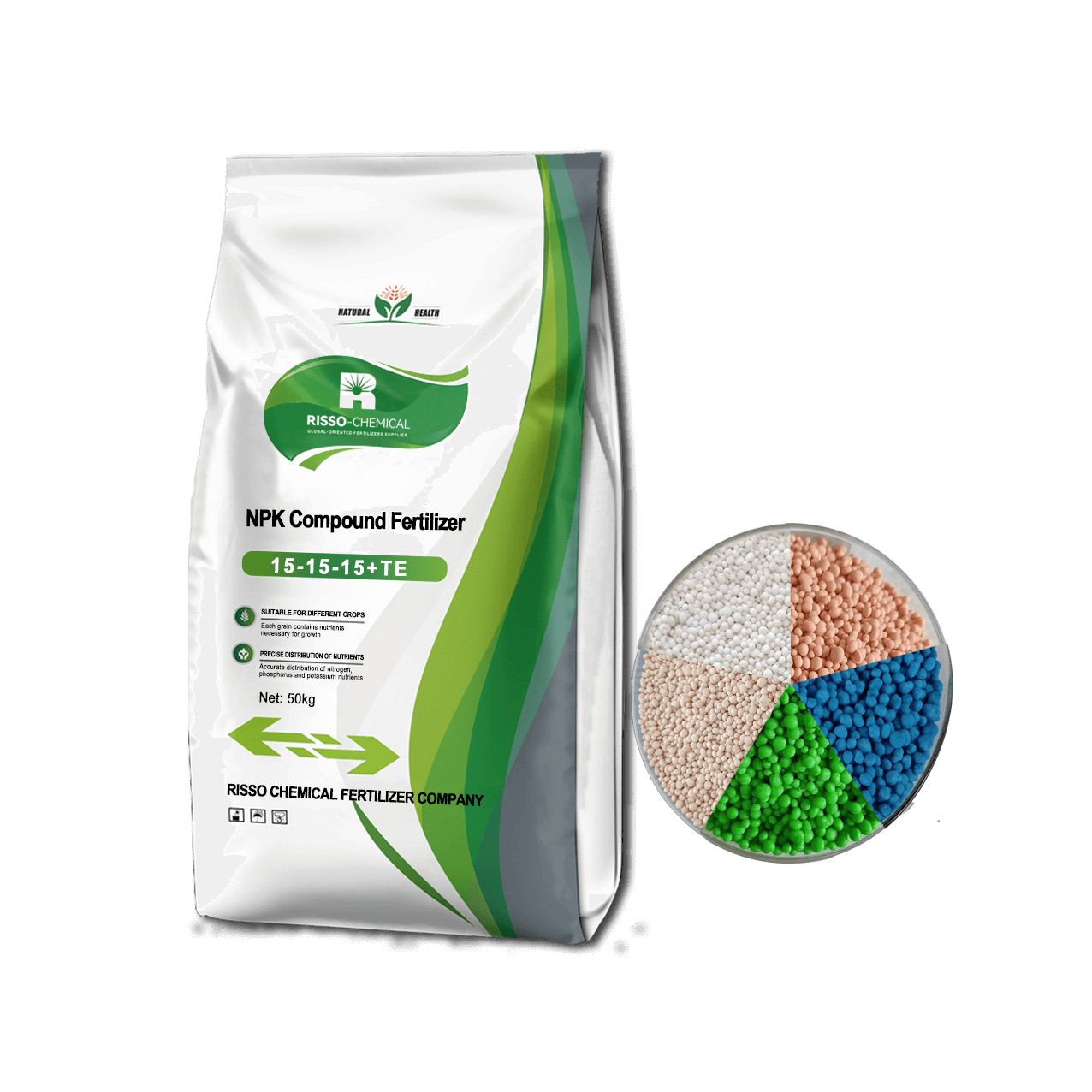
NPK 15-15-15 + micronutrients
Recommended option:
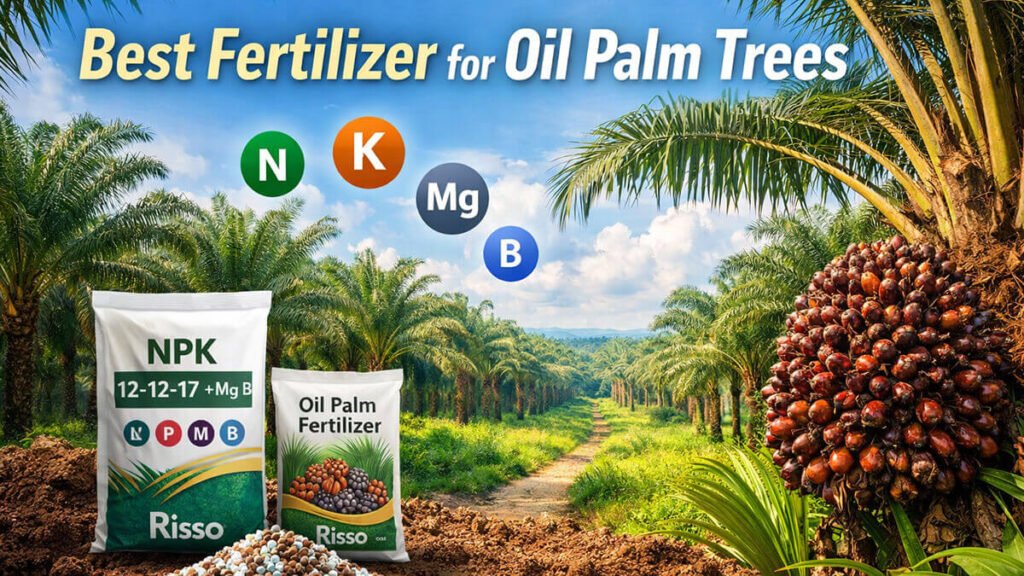
NPK 12-12-17 + Mg + B
Common choices:
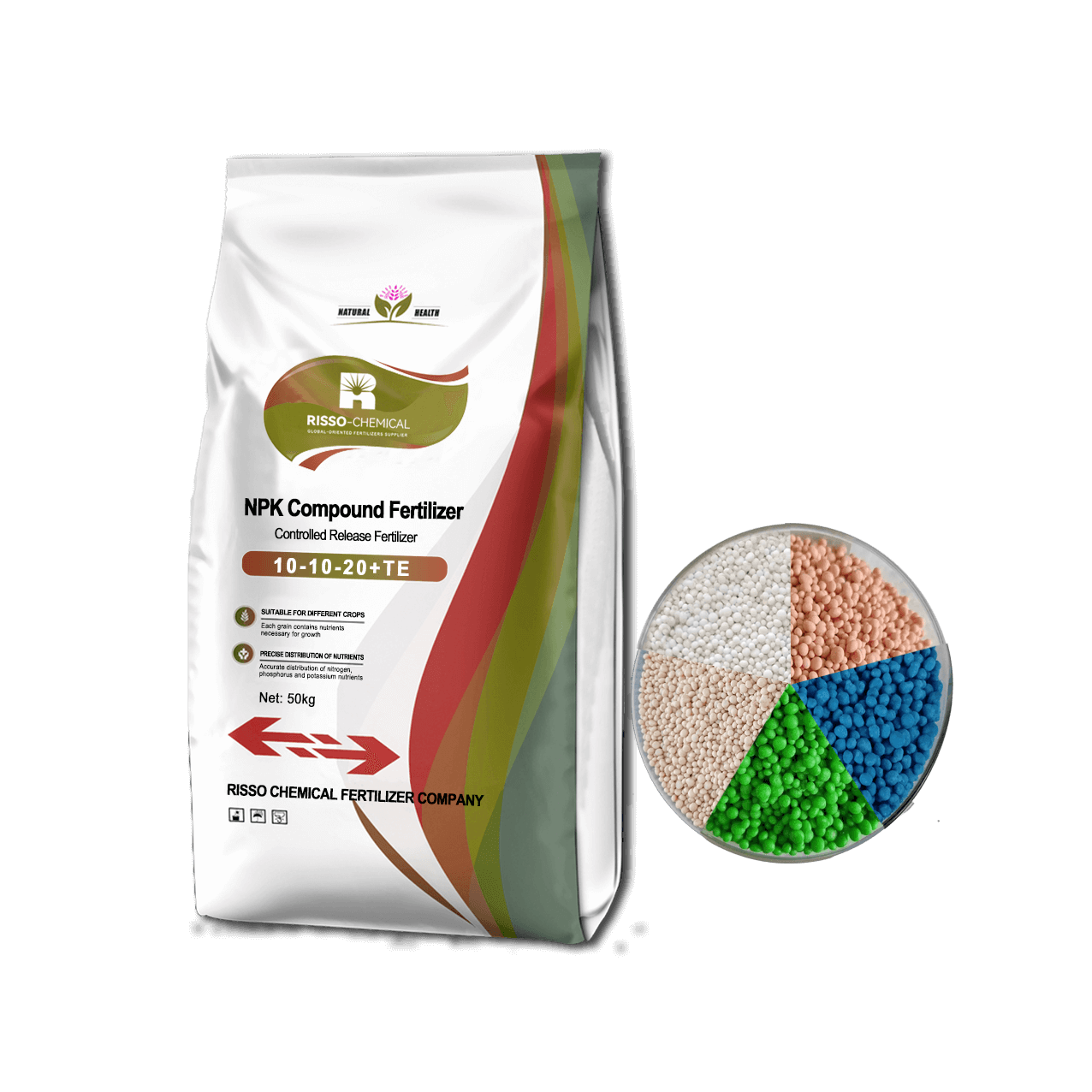
NPK 10-10-20 or 15-5-30
Timely correction based on soil and leaf analysis is essential to maintain productivity.
These practices significantly improve nutrient uptake and economic returns.
So, what is the best fertilizer for oil palm trees?
The answer lies in a balanced, data-driven fertilization system, not a single product:
High-potassium NPK fertilizers as the foundation
Adequate magnesium and boron supplementation
Stage-specific nutrient management
Site-specific adjustments based on soil and climate
By implementing a scientific fertilization strategy—and working with experienced partners like Risso—oil palm growers can achieve higher yields, better oil quality, and long-term plantation profitability.
If you want to know other questions about Oil Palm Fertilizer, please contact us and we will provide professional answers.
✔ Quick & helpful reply within 6 hours.
✔ Tailored solutions for your project.
✔ One-stop product, tech, market

Want to find a China fertilizer manufacturer?
Risso will be your best choice; send us your request for your fertilizer details requirement
© Copyright 2017 RISSO CHEMICAL. All Rights Reserved.